

If you own rental property in the Dallas-Fort Worth area, slab leaks should be on your radar. The expansive clay soil that defines North Texas is notorious for shifting and settling, putting constant pressure on foundation slabs and the plumbing lines running beneath them. What starts as a minor pinhole leak can quickly escalate into a catastrophic structural issue that tanks your property value and drains your wallet.
The good news? Slab leaks leave clues. The key is knowing what to look for and acting fast when you spot the warning signs.
Why DFW Properties Are Particularly Vulnerable
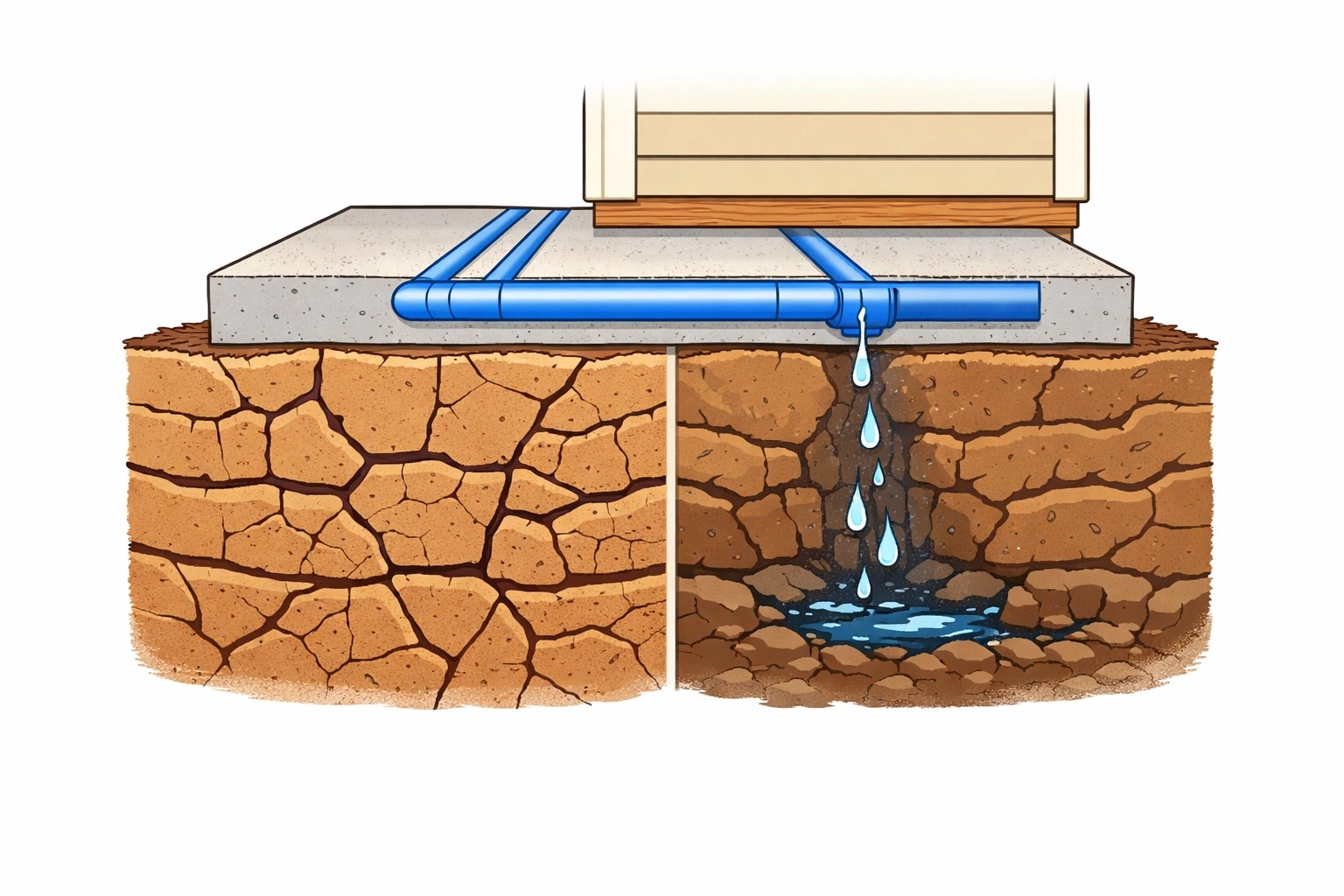
North Texas sits on some of the most unstable soil in the country. The clay-rich earth expands dramatically when wet and contracts when dry: a cycle that repeats with every rainfall and drought. This constant movement stresses concrete slabs and the copper pipes running through them.
Over time, this stress causes pipes to rub against concrete, develop weak points, and eventually spring leaks. Add in the age of many DFW rental properties (built during construction booms in the 70s, 80s, and 90s), and you've got a perfect storm for slab leak issues.
The Primary Warning Signs Every Landlord Should Know
Your Water Bill Just Doesn't Make Sense
One of the earliest indicators of a slab leak is an unexplained spike in your water bill. If your tenant's usage habits haven't changed but you're suddenly seeing a 30%, 50%, or even 100% increase in water costs, you've got a problem somewhere.
Here's a simple test: Turn off all water-using appliances and fixtures in the property. Then check the water meter. If it's still spinning, water is escaping somewhere: and there's a good chance it's beneath your foundation.
Warm or Damp Spots on the Floor
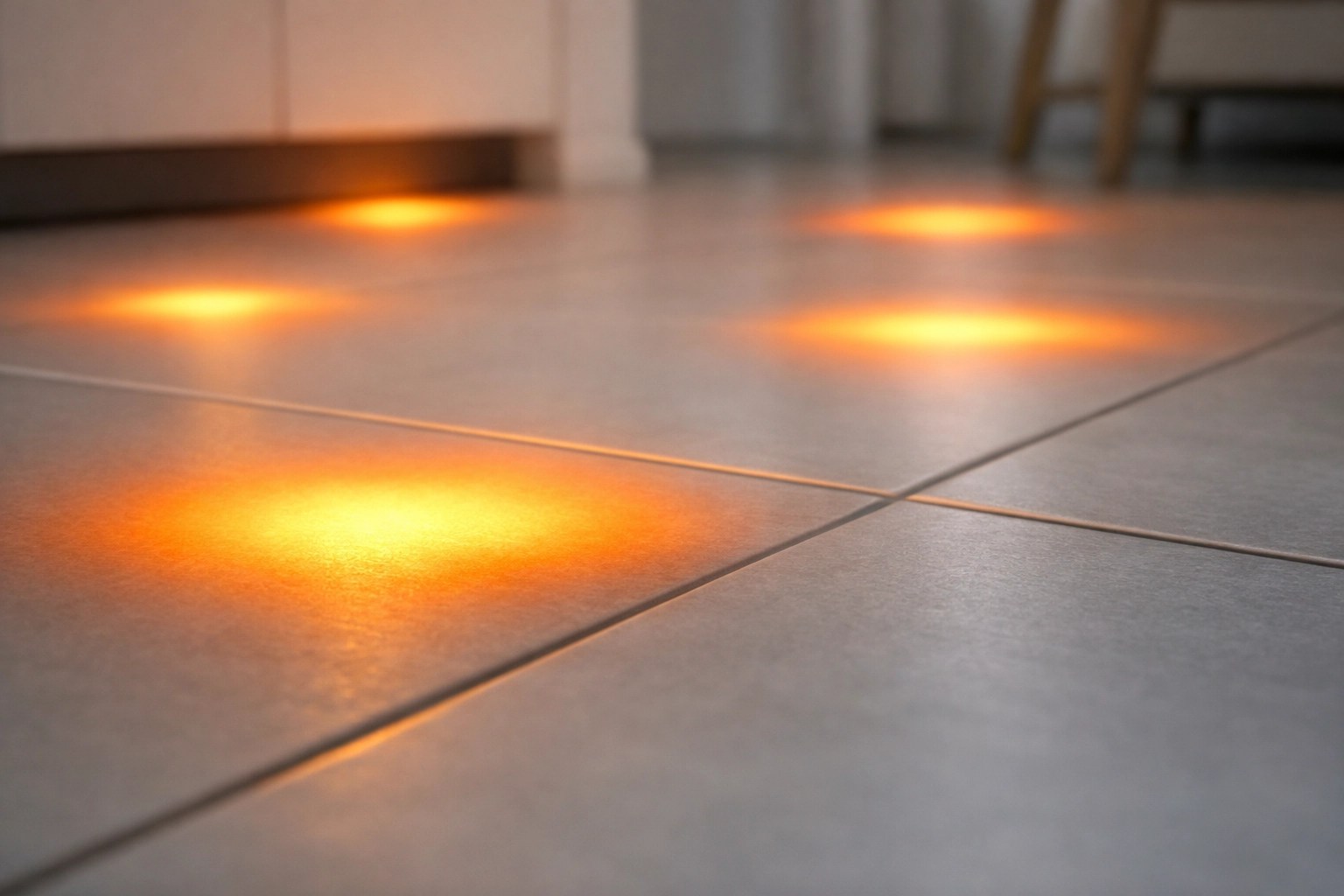
Walk through your rental property and pay attention to the floors. Hot water line leaks often create warm spots on tile or concrete floors, even when no hot water is running. These areas might feel slightly warmer to the touch than surrounding flooring.
Damp spots are even more obvious. If you notice wet patches on flooring: especially concrete or tile: and there's been no spill, you're likely looking at water being forced upward through the slab due to hydrostatic pressure building beneath the foundation.
Water Pressure Has Gone Sideways
Low or fluctuating water pressure throughout the property is another red flag. When a slab leak compromises your plumbing system's integrity, it can cause noticeable drops in pressure at sinks, showers, and other fixtures.
If your tenant mentions that water pressure seems weak or inconsistent: particularly if it affects multiple fixtures rather than just one: a slab leak could be siphoning off water before it reaches the taps.
You Hear Water Running When Nothing's On
This one's eerie but definitive. If you or your tenant can hear the sound of running water when all faucets, appliances, and fixtures are turned off, you've got an active leak somewhere in the system.
Hot water line leaks are particularly notorious for this. The sound is often most noticeable during quiet hours or when standing near bathroom or kitchen walls where supply lines typically run.
Secondary Indicators That Suggest Advanced Damage
By the time these signs appear, the leak has likely been active for a while: meaning the clock is ticking on more serious structural issues.
Cracks in Walls, Floors, or Foundation
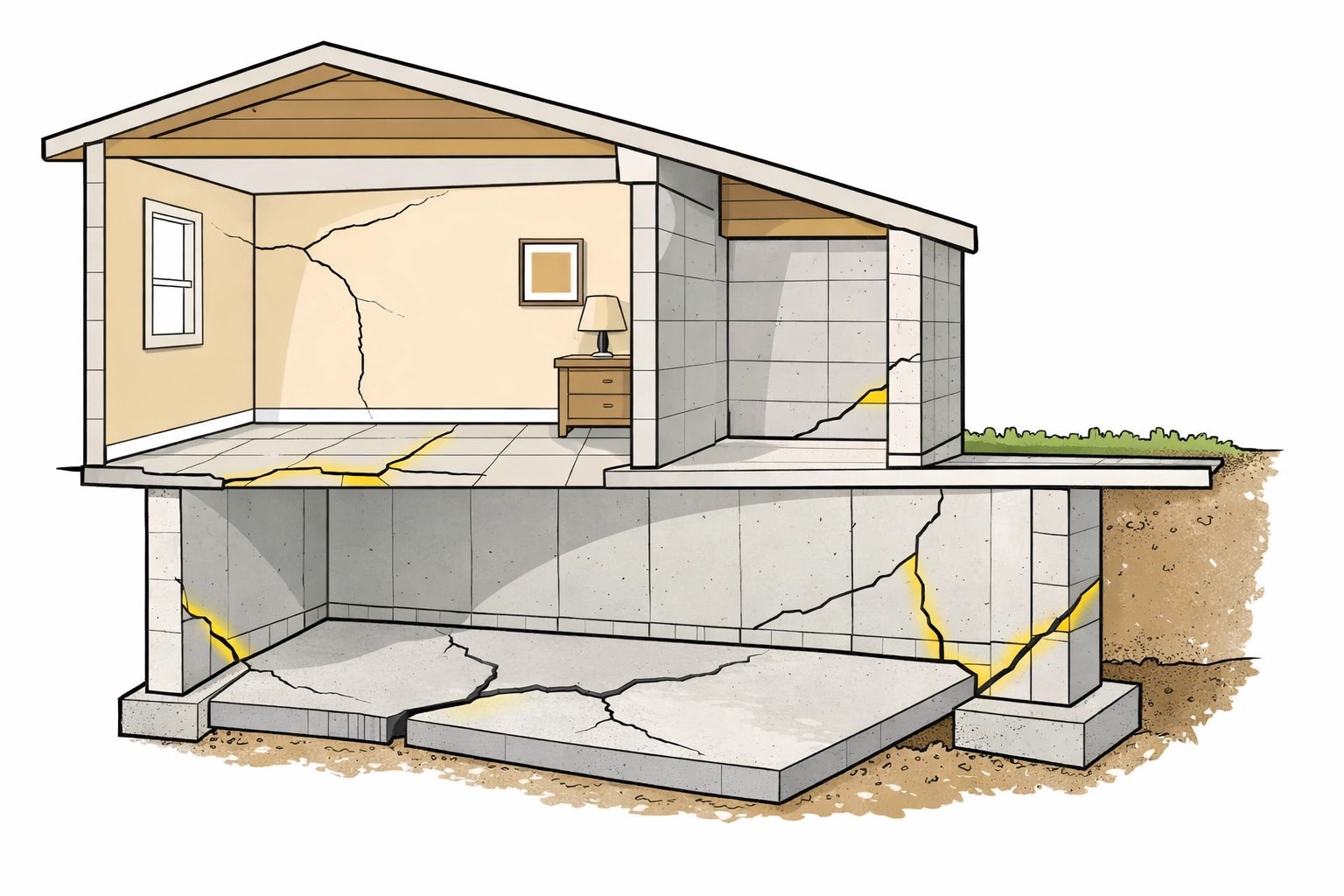
When water leaks beneath a foundation slab, it saturates the surrounding soil. In DFW's clay soil, this causes expansion and shifting that puts stress on the entire structure. The result? Cracks.
Look for:
- Hairline cracks in interior walls that seem to expand over time
- Cracks in tile flooring, especially near wet areas
- Visible foundation cracks on exterior walls
- Separation between walls and ceilings or floors
Mold, Mildew, and That Musty Smell
Persistent moisture beneath a foundation creates the perfect breeding ground for mold and mildew. If you notice musty odors in your rental: particularly in areas where there's no obvious source of moisture: a slab leak might be feeding mold growth beneath the surface.
This isn't just a property value issue. Mold can create serious health concerns and liability problems for landlords.
The Floor Feels Different
Advanced slab leaks can actually cause flooring to buckle, warp, or become uneven. Carpet might feel damp or spongy. Hardwood might buckle. Tile might crack or lift.
If your tenant mentions that floors feel "off" or you notice visual changes in flooring integrity during an inspection, investigate immediately.
The DFW-Specific Factor: Soil Movement and Seasonal Changes
Here's what makes slab leaks especially tricky in North Texas: they often worsen during seasonal transitions.
When we move from a wet spring to a dry summer, the clay soil beneath foundations contracts. This movement can stress already-weakened pipes and turn a slow leak into a gusher. Conversely, when fall rains arrive after a dry summer, expanding soil can shift foundations and rupture compromised lines.
Smart DFW landlords schedule property inspections during these seasonal transitions: typically late May/early June and late September/early October: to catch developing issues before they escalate.
What to Do If You Suspect a Slab Leak
Time is everything with slab leaks. Here's your action plan:
1. Confirm the leak. Run the water meter test described earlier. If your meter moves with everything off, you've got a leak somewhere.
2. Document everything. Take photos of wet spots, cracks, mold growth, and any other visible damage. Note the date your water bills spiked. This documentation protects you if insurance claims or tenant disputes arise.
3. Call in professionals immediately. Modern leak detection uses acoustic equipment and electronic sensors to pinpoint the exact location of slab leaks without tearing up your entire foundation. This saves time, money, and disruption.
4. Don't delay repairs. Every day a slab leak continues, more water saturates the soil beneath your foundation. More soil shifts. More structural stress builds. The repair bill grows, and so does the risk to your property value.

Protecting Your Investment
Slab leaks aren't just a maintenance headache: they're a direct threat to your rental property's value and your bottom line. Insurance companies are increasingly wary of slab leak claims, and buyers will run from properties with a documented history of foundation issues.
The cost of early detection and repair is a fraction of what you'll pay if a slab leak progresses to foundation damage, mold remediation, and structural repairs. In the DFW market, where rental property values have climbed significantly in recent years, protecting that equity should be a top priority.
Regular property inspections, attention to water bills, and quick response to tenant reports of pressure issues or strange sounds can catch problems while they're still manageable. And in North Texas, where the soil itself is working against your foundation every day, that vigilance isn't optional: it's essential property management.
If you're seeing any of these warning signs in your DFW rental property, don't wait. The longer a slab leak goes unaddressed, the more expensive and complicated the solution becomes. Get it checked, get it fixed, and protect the investment you've worked hard to build.
Need help with property maintenance issues like slab leaks? Flash Property Services specializes in protecting DFW rental properties from the unique challenges our market presents.
Leave a Reply