
Look, we get it. Winter in the Dallas-Fort Worth area isn't exactly the Arctic Circle. But here's the thing, those occasional freezing temps can wreak absolute havoc on your plumbing system if you're not prepared. We're talking thousands of dollars in burst pipe repairs, water damage to your ceilings and walls, and a massive headache you definitely don't need.
The good news? Winterizing your plumbing doesn't require a PhD in home maintenance. With a few smart preventative measures, you can protect your property and avoid becoming another winter plumbing disaster story. Let's dive into the 10 essential things every DFW homeowner needs to know before temperatures drop.
1. Insulate Those Exposed Pipes (Seriously, Don't Skip This)
Your pipes in attics, garages, crawl spaces, and along exterior walls, especially on north-facing sides, are sitting ducks when a cold front rolls through. These are the first areas that'll freeze when temperatures plummet.
Head to your local hardware store and grab some pipe insulation sleeves. We're talking about a $20-30 investment that could save you from a $5,000+ burst pipe repair. That's a no-brainer in our book. Focus especially on any pipes you can see in unheated areas of your home.
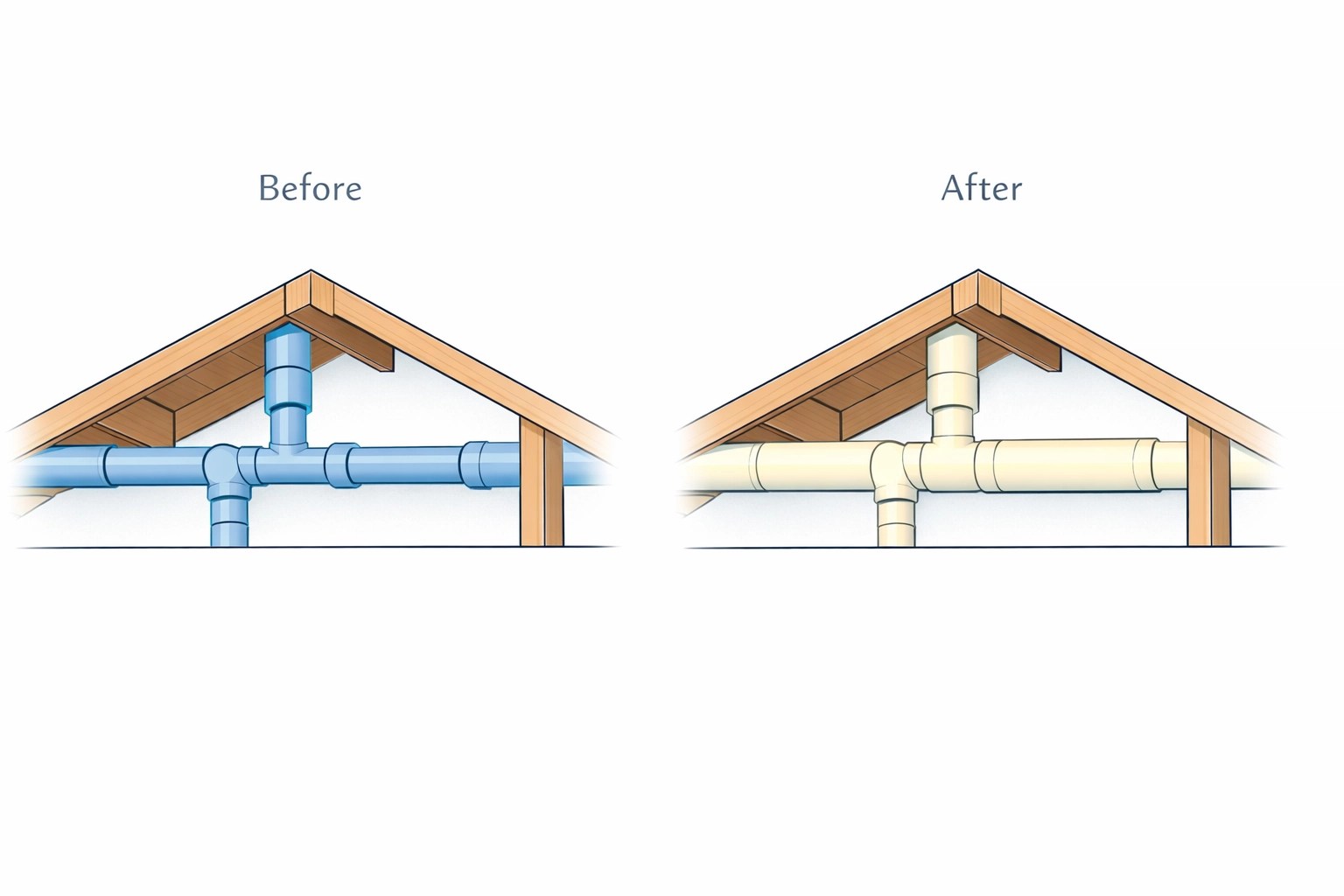
Pro tip: If you live in older DFW neighborhoods like Oak Cliff, East Dallas, or older parts of Arlington, pay extra attention. Homes built before 2000 often have pipes in some questionable locations that weren't designed with our occasional deep freezes in mind.
2. Cover Your Outdoor Faucets Immediately
Here's a fun fact that's not actually fun at all: exterior faucets and hose bibs are the most common freeze damage points in DFW properties. They're exposed to the elements, and when water inside them freezes, it expands and can crack the fixture or the pipe behind it.
Insulated faucet covers cost about $3-5 each at any home improvement store. If you're in a pinch, you can even improvise with towels wrapped around the faucet and secured with a plastic bag and duct tape. It's not pretty, but it works.
3. Disconnect and Drain All Outdoor Hoses
This one's quick and easy. Remove those garden hoses from your outdoor faucets and drain any remaining water from both the hoses and the pipes leading to the faucets. Standing water in these lines is just begging to freeze and cause problems.
Store your hoses inside the garage or shed for the winter. Your future self will thank you when spring rolls around and you're not dealing with a plumbing emergency.
4. Drain Your Lawn Sprinkler System
If you've got an irrigation system (and let's be honest, most DFW lawns do), you need to shut it down completely and drain it before winter hits. Water trapped in sprinkler lines can freeze, expand, and crack your expensive irrigation system.
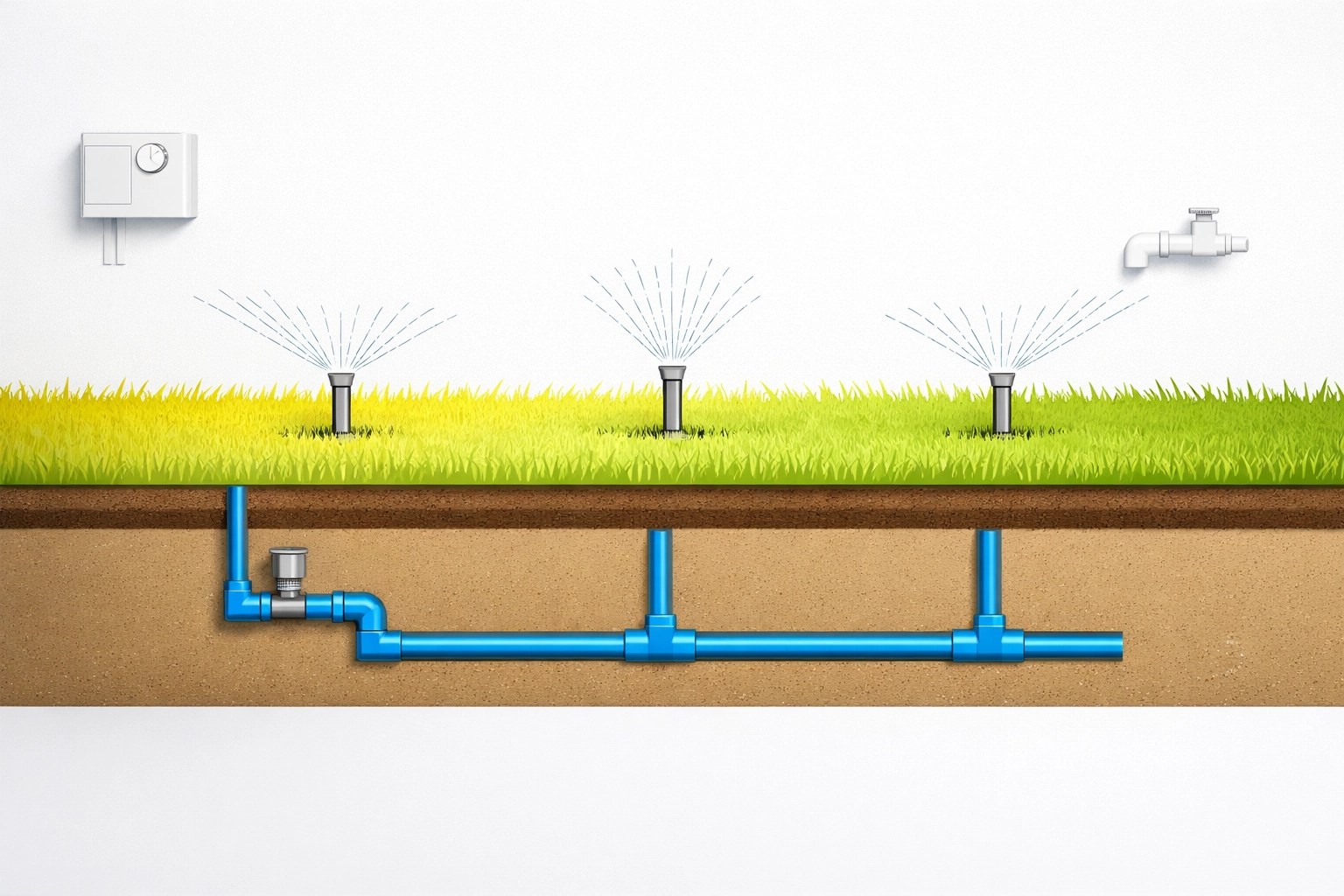
Most modern systems have drain valves for this purpose. If you're not comfortable doing this yourself, it's worth having a professional handle it. The cost of a service call is nothing compared to replacing damaged sprinkler lines throughout your entire yard.
5. Let Your Faucets Drip During Freezing Temps
When the weather forecast shows temperatures dropping below freezing, especially overnight, let your faucets drip. We're talking about a slow drip, roughly one drip per second. This keeps water moving through your pipes, which makes it much harder for them to freeze solid.
Focus on faucets connected to pipes in exterior walls or unheated areas. Yes, this'll bump up your water bill slightly, but it's a small price to pay compared to the alternative of burst pipes and water damage.
6. Open Cabinet Doors Under Sinks
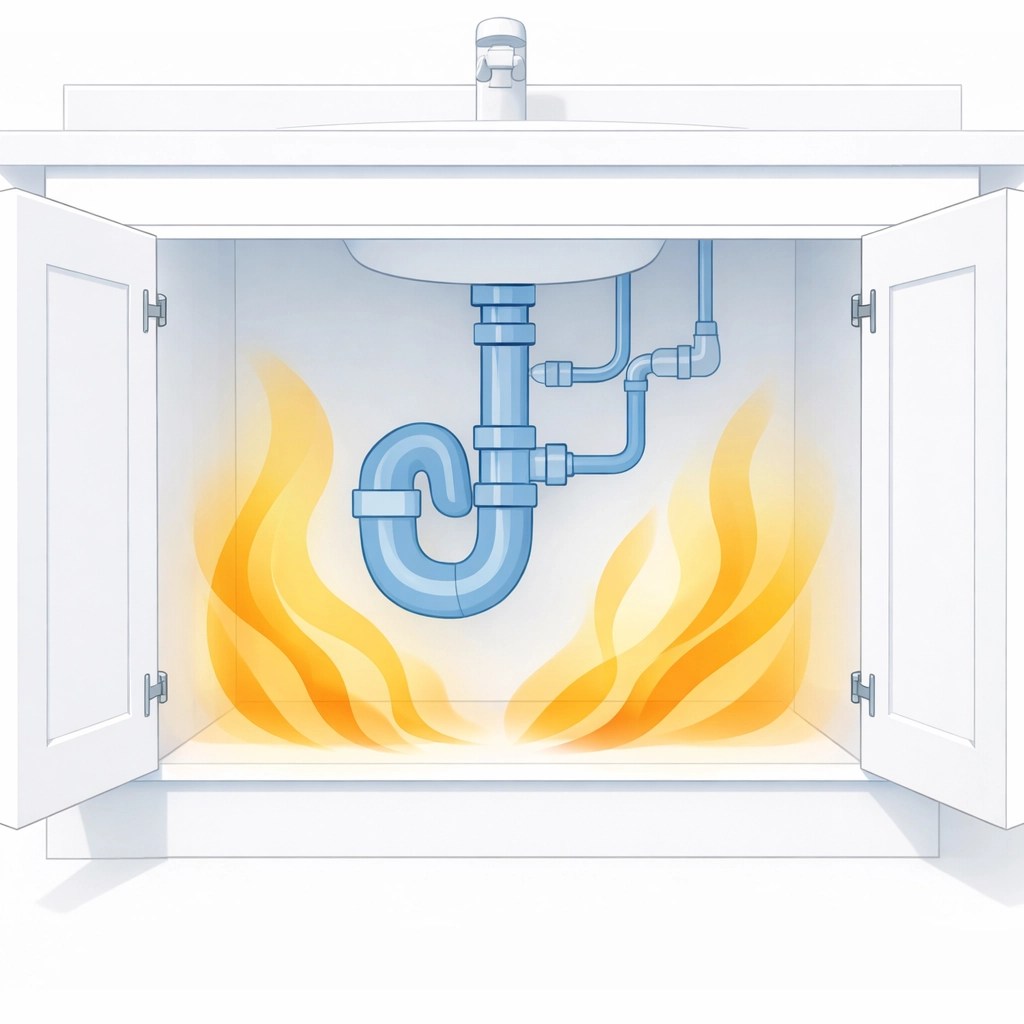
This trick is simple but effective. Open the cabinet doors under your kitchen and bathroom sinks when temperatures drop. This allows the warm air from your heated home to circulate around the pipes and supply lines tucked away in those enclosed spaces.
It's especially important for sinks on exterior walls. Those pipes are more vulnerable to freezing because they're closer to the cold outside air.
7. Keep Your Thermostat Above 55°F (Yes, Even When You're Away)
We know energy bills can sting, but dropping your thermostat too low during winter nights is a false economy. Keep your home heated to at least 65°F, and never let it fall below 55°F, even when you're not home.
If you're planning to be away during a cold snap, resist the urge to turn off the heat completely. Your pipes need that ambient warmth to stay above freezing. Consider installing a smart thermostat so you can monitor and adjust temperatures remotely if needed.
8. Seal Air Leaks Around Pipes
Cold air sneaking into your home through gaps and cracks can quickly chill exposed pipes. Grab some caulk or insulation and seal up any gaps you find near exterior walls, around windows and doors, near electrical wiring, and around clothes dryer vents.
This serves double duty: it helps protect your pipes AND makes your home more energy-efficient overall. That's what we call a win-win situation.
9. Know How to Shut Off Your Water (Right Now, Today)
Pop quiz: Do you know where your main water shutoff valve is located? If you're scratching your head, go find it today. Not tomorrow, not next week: today.
If a pipe does burst, every second counts. The faster you can shut off the water, the less damage you'll have to deal with. Make sure everyone in your household knows where the valve is and how to use it.
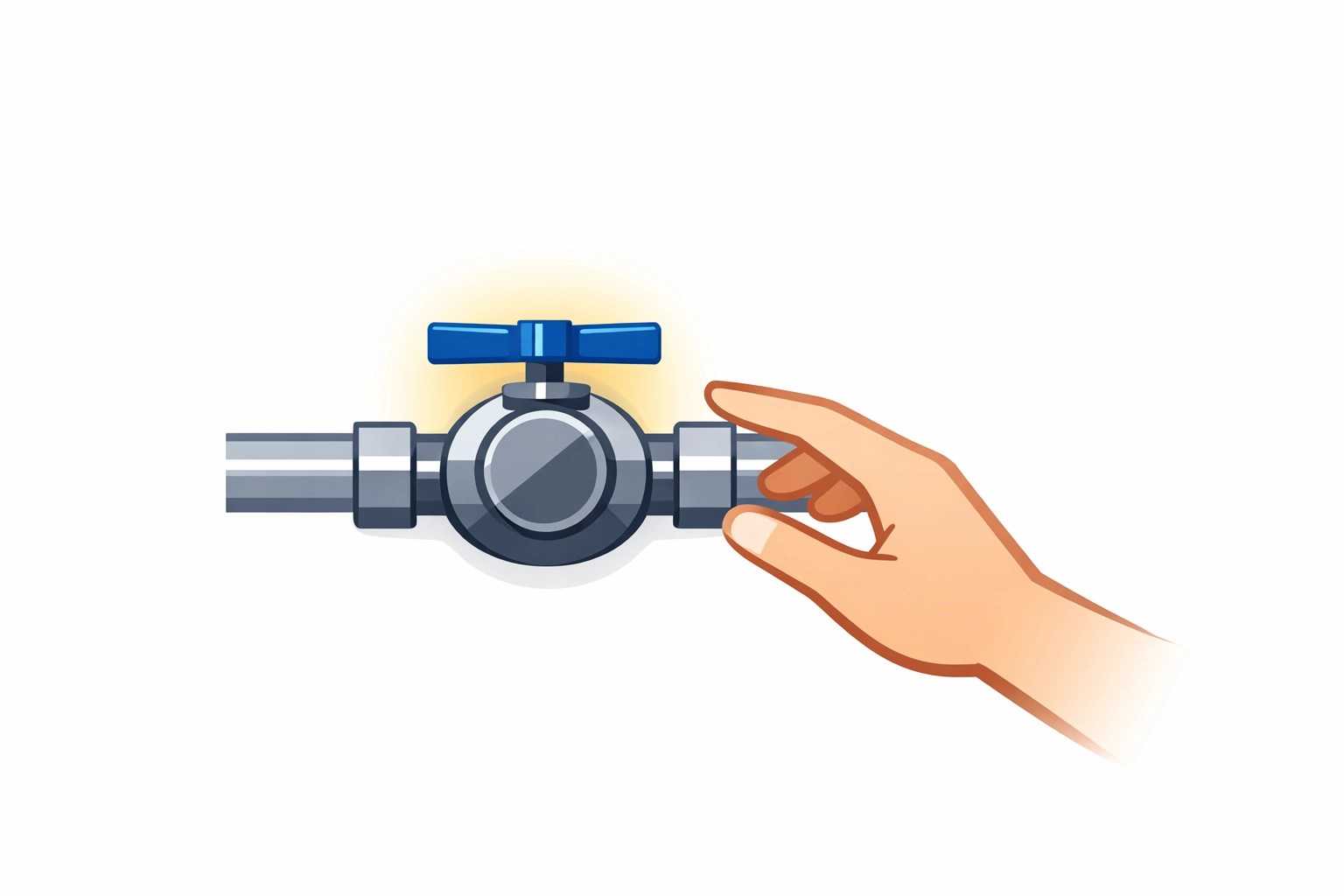
Also, locate the shutoff valves for outdoor faucets specifically. If you're leaving town during freezing weather, consider shutting off water to outdoor fixtures and leaving your heat on.
10. Monitor for Freeze Damage After Thawing
Here's something most people don't think about: freeze damage doesn't always show up immediately. Small cracks in pipes might only become apparent after temperatures rise and water pressure increases.
After a freeze, inspect your ceilings, walls, and the areas under sinks for any signs of leaks. Look for water stains, dampness, or the sound of running water when all fixtures are off. The sooner you catch a problem, the less damage it'll cause.
If you suspect frozen pipes or notice any freeze damage, call a professional plumber immediately. Never: and we mean never: use open flames to try thawing frozen pipes. That's a disaster waiting to happen.
The DFW-Specific Challenge
One thing that makes winter plumbing prep extra important in our area is the clay-heavy soil throughout DFW. This soil shifts with temperature and moisture changes, which can stress your underground pipes. Combine that with older neighborhoods where homes weren't built with our occasional severe freezes in mind, and you've got a recipe for winter plumbing problems.
Properties in established neighborhoods often lack frost-free exterior faucets and have pipes routed through unheated exterior walls: decisions that made sense when these homes were built but create vulnerabilities during our modern winter weather events.
When to Call in the Professionals
Look, we're all about DIY maintenance when it makes sense. But if you're uncomfortable with any of these winterization steps, or if you're dealing with an older home with accessibility issues, it's worth bringing in a professional to handle the prep work.
At Flash Property Services, we help DFW property owners protect their investments year-round. If you'd like professional assistance winterizing your plumbing or need emergency service during a cold snap, reach out to our team. We'd rather help you prevent problems than help you clean up after them.
Winter prep might not be the most exciting part of homeownership, but it's definitely one of the most important. Take an afternoon to work through this checklist before the next cold front arrives. Your pipes: and your wallet( will thank you.)
Leave a Reply