

Let's be honest, some handymen love recurring drain problems. It keeps you calling them back every few months, paying for the same "fix" over and over. But here's the thing: most drain clogs aren't that complicated, and when they are, the right technology can solve them permanently.
As someone who's seen every type of clog imaginable across DFW homes, I'm pulling back the curtain on what really works and what's just keeping you on a service subscription you never signed up for.
Why Your Drains Keep Clogging (And It's Not Your Fault)
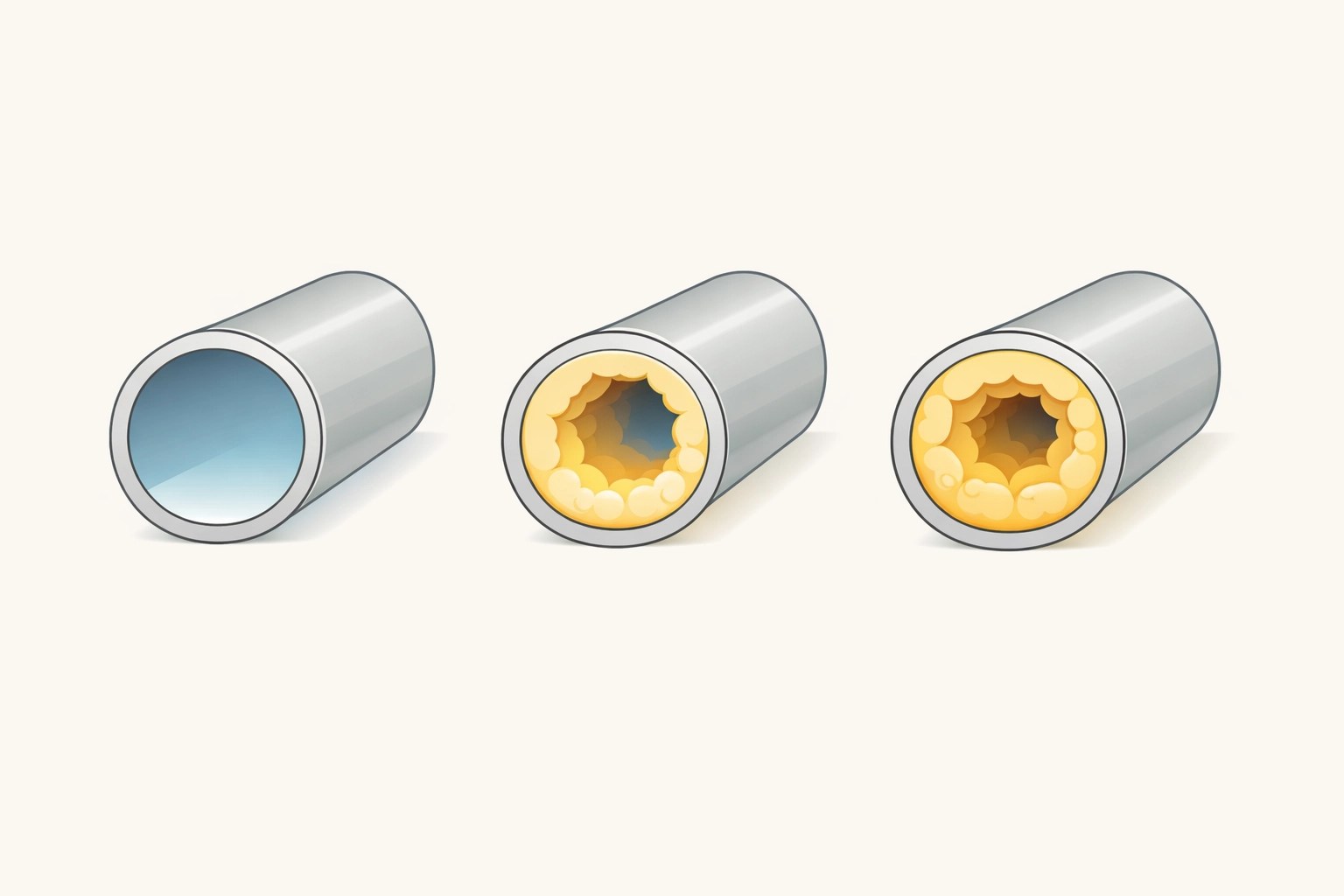
Here's a secret most handymen won't tell you: DFW water is working against you. Our area has some of the highest limestone and mineral content in Texas. Every time water flows through your pipes, it's leaving behind deposits that narrow the pathway. Over time, what started as a three-inch pipe becomes a two-inch pipe, then smaller.
Add in soap scum, cooking grease, hair, and everyday debris, and you've got the perfect recipe for chronic clogs. A basic snake job might poke a hole through the blockage, but it leaves all that buildup clinging to your pipe walls. Within weeks, you're right back where you started.
This is why temporary fixes feel like a cycle you can't escape. Because they are.
The DIY Methods That Actually Work (When Used Correctly)
Before you call anyone, let's talk about what you can handle yourself. Not every clog needs a professional, but you need to know which method matches your specific problem.
The Boiling Water Trick (Done Right)
Boiling water works surprisingly well for grease and soap clogs, but here's what most online guides skip: don't dump the entire kettle at once. Pour it in stages, about a cup every few seconds. This gives the heat time to melt the buildup instead of just flowing over it.
Important note: Only use this method on metal pipes. PVC can warp under extreme heat.
Baking Soda and Vinegar (The Science Matters)
You've seen this one all over Pinterest. The foaming reaction looks impressive, but does it actually work? Yes: when you do it right.
Pour half a cup of baking soda down the drain first. Wait five minutes to let it settle into the clog. Then add half a cup of vinegar. Cover the drain immediately with a wet cloth to force the reaction downward instead of letting it bubble up uselessly. Wait 15 minutes, then flush with hot water.
This method excels at breaking up organic debris but won't touch hair clogs or solid obstructions.
The Plunger You're Probably Using Wrong
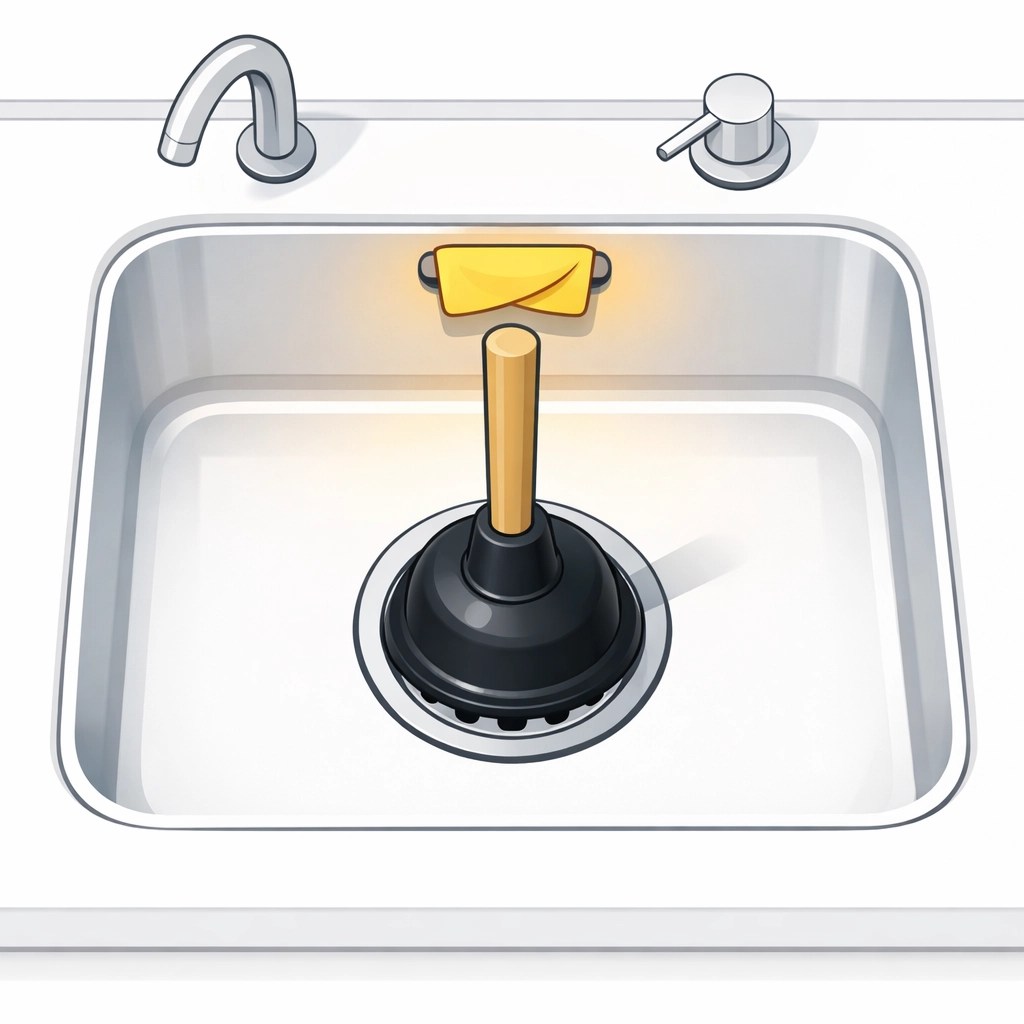
Most people grab a toilet plunger for their sink. Wrong tool. You need a cup plunger (flat bottom) for sinks and tubs. And here's the trick nobody tells you: cover the overflow opening with a damp cloth. That little hole near the top of your sink? It's breaking the seal you need for effective plunging. Cover it, and you'll create the pressure necessary to actually dislodge the clog.
When DIY Becomes a Waste of Time (And Money)
Let's say you've tried the DIY route. You've plunged until your arms hurt, poured enough baking soda to start a science fair project, and the drain is still backing up. Here's what's probably happening underneath:
- Tree roots infiltrating your sewer line
- A collapsed or offset pipe section
- A complete blockage deep in your system
- Severe mineral buildup coating your pipes
At this point, continuing the DIY approach is just flushing money down a drain that won't drain. This is where technology makes the difference.
The Professional Secrets (Technology You Didn't Know Existed)
Video Camera Inspections: No More Guessing Games
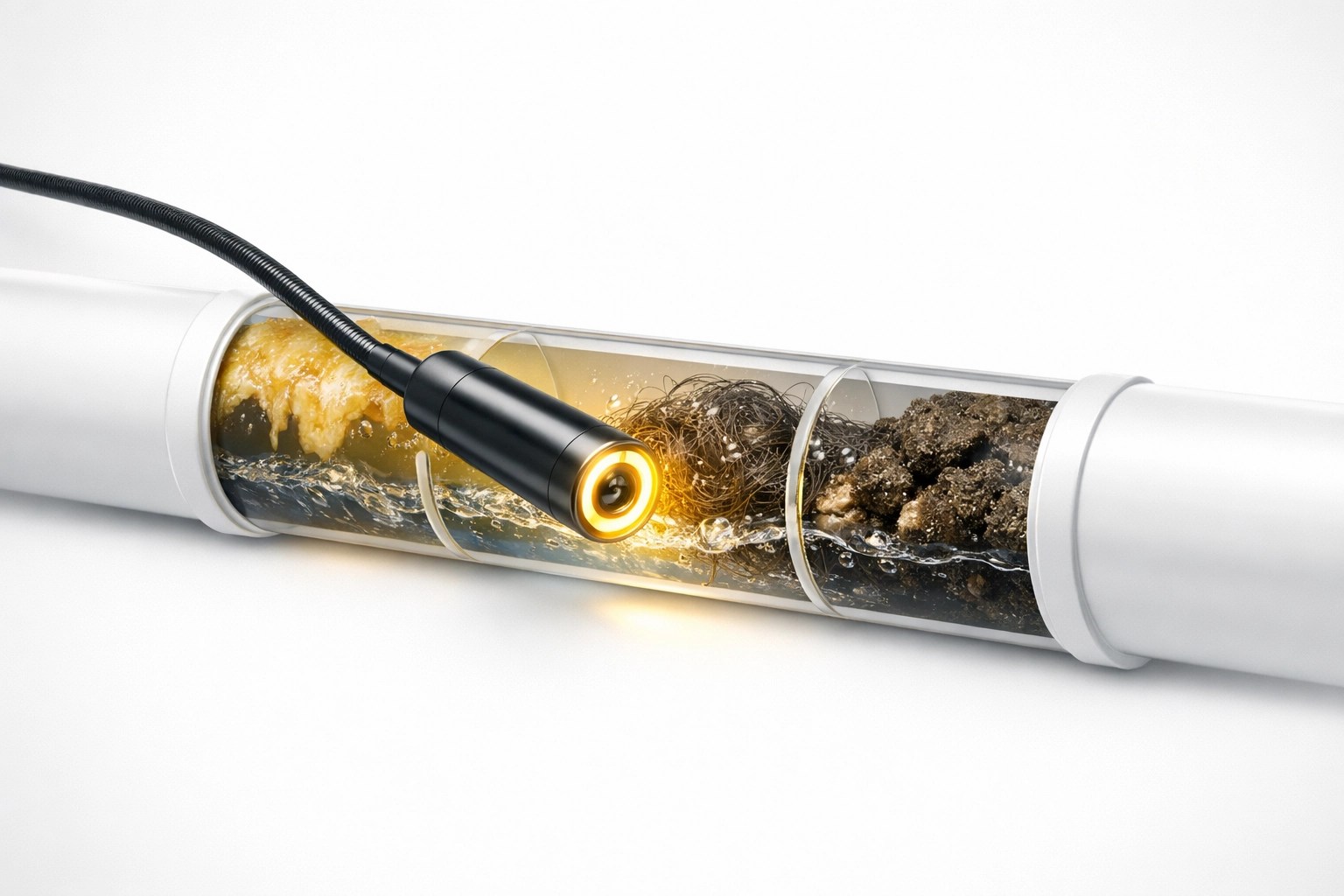
Here's something most handymen skip because they don't have the equipment: waterproof camera inspections. We're talking about a high-definition camera on a flexible cable that travels through your entire drain system, showing us exactly what's happening.
No guessing. No "try this and see." We can see if it's a hairball at the P-trap or roots at the sewer line connection. We can spot cracks, corrosion, or joint separations. This means you get the right fix the first time, not the fifth time.
The cost of an inspection is typically less than what you'd spend on three failed attempts with other methods.
Hydro-Jetting: The Deep Clean Your Pipes Deserve
This is the big secret. Hydro-jetting uses high-pressure water (up to 4,000 PSI) to literally scour your pipes clean. It's not just poking a hole through the clog: it's removing decades of buildup from the pipe walls.
Think of it like pressure washing your driveway, except it's inside your plumbing. The result? Pipes that look nearly new and stay clear significantly longer.
But here's the catch most services won't mention: hydro-jetting can damage old, fragile pipes. This is why the camera inspection comes first. We need to verify your pipes can handle the pressure before we unleash it. Responsible professionals check first. Others create expensive problems.
For DFW homes dealing with our notorious mineral deposits, hydro-jetting is often the only method that provides lasting results.
Enzyme Drain Cleaners: The Middle Ground Nobody Talks About
Between DIY vinegar solutions and professional hydro-jetting sits an option that deserves more attention: enzyme-based drain cleaners. These products use biological enzymes to break down organic fats, oils, and grease into carbon dioxide and water.
Unlike chemical drain cleaners that corrode pipes over time, enzyme treatments are safe for all plumbing and environmentally friendly. They work more slowly than harsh chemicals but provide longer-lasting results without the damage.
We often recommend enzyme maintenance treatments after a professional cleaning to keep your drains flowing freely between services.
The Clean Workmanship Difference You Should Demand
Here's something that separates real professionals from guys with a truck and a snake: clean workmanship. Drain work can be messy, but that mess should never become your problem.
Quality service means:
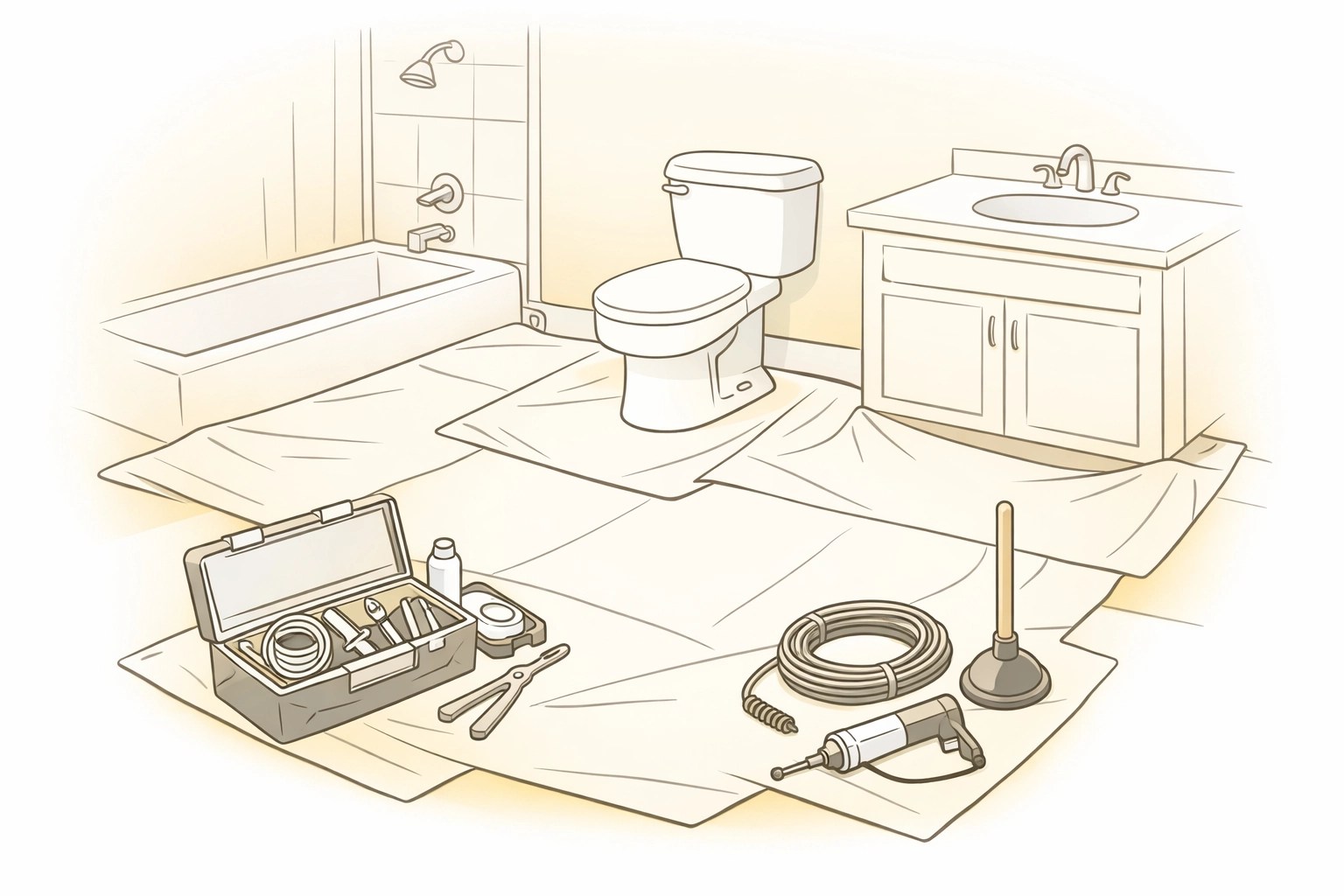
- Drop cloths protecting your floors before we start
- Proper containment of any water or debris
- Complete cleanup after the job is finished
- Disposal of any removed materials
- A work area that looks like we were never there (except for your newly functioning drain)
If someone's leaving puddles on your floor or bits of drain sludge in your sink, they're not professionals: they're just in a hurry to get to the next job.

What to Look For in Professional Drain Service
When you're ready to call in the experts, here's what separates the best from the rest:
Technology matters. Ask if they use video inspection equipment. If they're quoting you without seeing inside your pipes, they're guessing.
Transparency in pricing. You should know the cost before work begins, not after. No surprise charges because "the clog was worse than expected."
Prevention advice. A good technician will tell you how to avoid future problems, not hope you'll call them back in two months.
Guaranteed work. If the clog returns within a reasonable timeframe, they should stand behind their service.
Licensed and insured. This protects both you and them if something goes wrong.
The Real Cost of Cheap Fixes
That handyman charging half the price of a professional service? He's probably saving money by skipping the technology, rushing through the job, and doing the bare minimum to get water flowing temporarily.
The real cost isn't his service call: it's the five service calls you'll need over the next year. It's the potential pipe damage from improper techniques. It's the water damage from a backup that could have been prevented with proper inspection.
Quality drain service isn't about being the cheapest: it's about solving the problem correctly so it stays solved.
Time to Get Your Drains Flowing Freely
Whether you're dealing with a slow-draining sink or a complete backup, you now know the secrets that keep drains working long-term. You understand why DFW homes face unique challenges with our water quality, and you know what technology actually makes a difference.
The next time you're facing a stubborn clog, you can make an informed decision about whether it's a DIY situation or time to bring in professional-grade technology. Either way, you're no longer at the mercy of services that profit from temporary fixes.
Need expert drain service with advanced camera inspections and hydro-jetting technology? Flash Property Services brings the equipment and clean workmanship that DFW homeowners deserve. Let's solve your drain problems permanently, not temporarily.
Because your pipes should work as hard as you do( without the recurring service calls.)
Leave a Reply