

If you're a property owner in the Dallas-Fort Worth area, you've probably noticed that water heaters don't always last as long as they should. While manufacturers promise 8-12 years of service, many DFW systems start failing much sooner. The culprit? Our unique local conditions combined with preventable maintenance issues.
Understanding why water heaters fail prematurely can save you thousands in emergency replacements and keep your tenants happy. Let's break down the top 10 reasons your water heater isn't making it to retirement age: and what smart property owners are doing about it.
1. DFW's Hard Water Is Silently Killing Your Tank
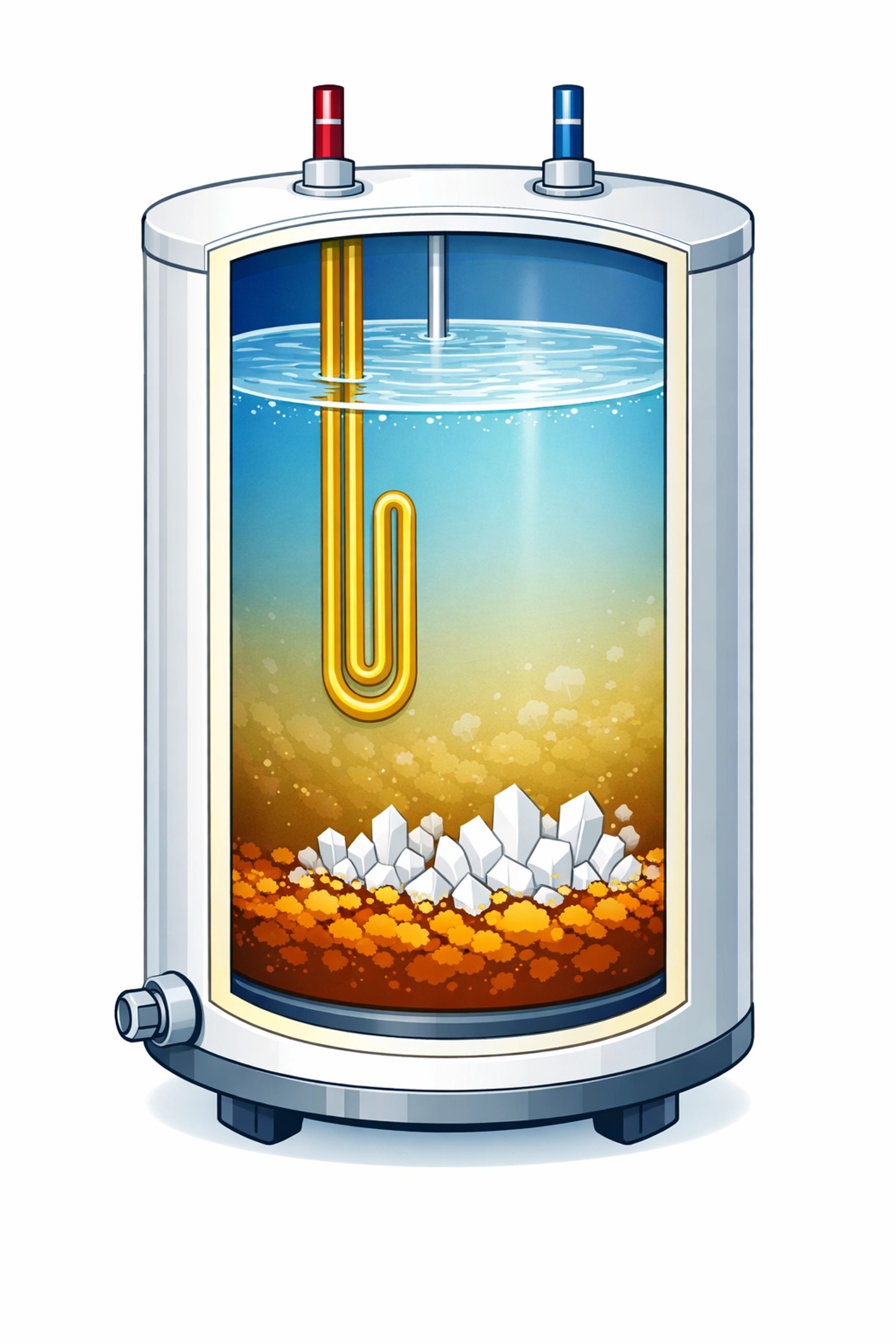
Dallas-Fort Worth has some of the hardest water in Texas, with high mineral content that wreaks havoc on water heaters. Calcium and magnesium deposits settle at the bottom of your tank, creating a thick layer of sediment that acts like an insulating blanket between the heating element and the water.
This forces your system to work overtime, increasing energy costs and accelerating wear. Over time, this sediment hardens into rock-like deposits that can crack your tank lining and cause premature failure.
The Fix: Annual tank flushing removes sediment before it causes damage. For properties with extremely hard water, consider installing a water softener system or scheduling flushes twice yearly.
2. Skipped Annual Maintenance
Most property owners treat water heaters like they're maintenance-free. They're not. Without regular service, small issues compound into major failures. An unmaintained water heater in DFW typically lasts 5-7 years instead of the expected 10-12.
Annual maintenance catches problems early: before they become expensive emergencies. During a professional inspection, technicians check the anode rod, test the pressure relief valve, inspect electrical connections, and flush sediment.
The Fix: Schedule professional maintenance annually. The cost of one service call is far less than a premature $1,500-$2,500 replacement.
3. The Anode Rod Nobody Remembers
Your water heater has a sacrificial component called an anode rod that attracts corrosive elements in the water, protecting the tank lining. Once it's fully corroded (typically after 3-5 years), your tank becomes vulnerable to rust and leaks.
Most property owners don't know anode rods exist, let alone that they need replacement. When the rod fails, tank corrosion begins immediately.
The Fix: Have your anode rod inspected during annual maintenance and replaced when it's more than 75% corroded. This $200 service can extend your water heater's life by 5+ years.
4. Thermostat Settings That Cause Problems
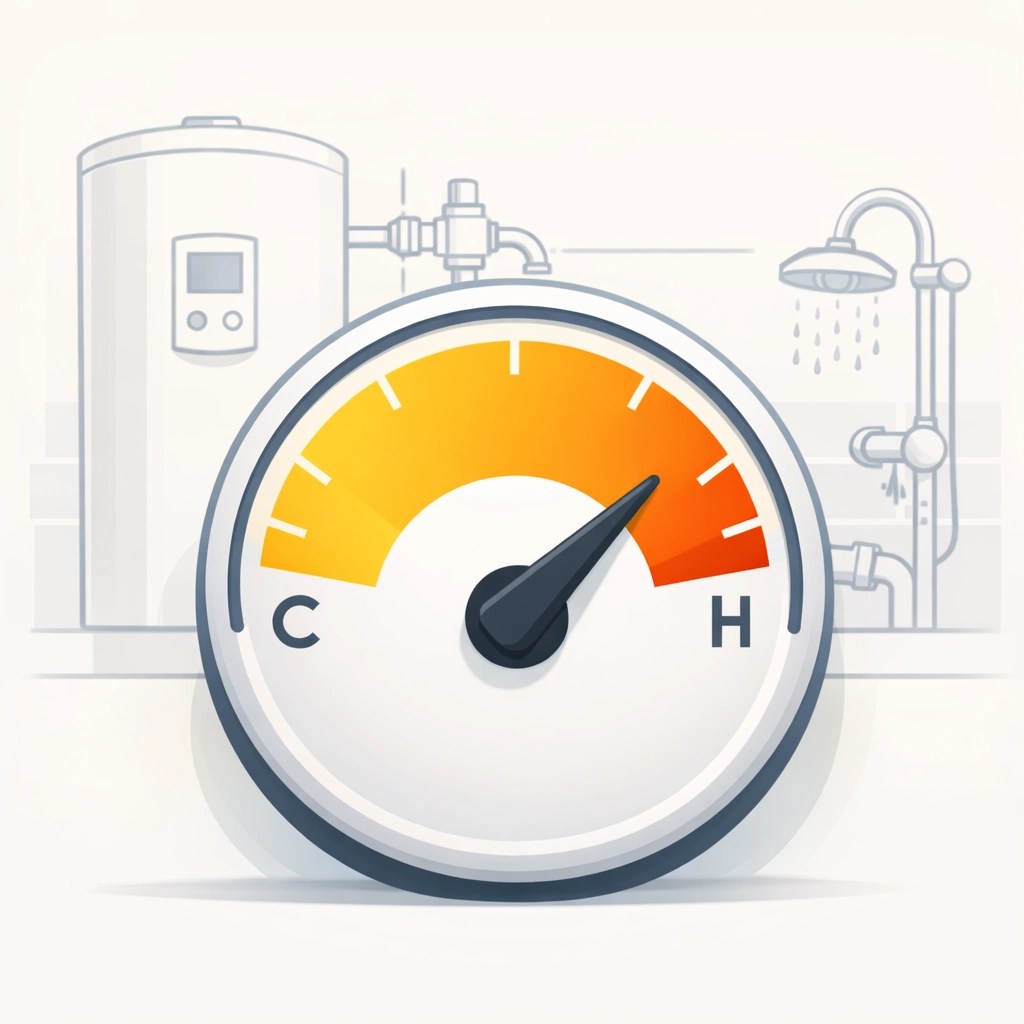
Setting your thermostat too high accelerates mineral deposit formation and increases energy costs. Too low, and you risk bacteria growth and lukewarm water complaints from tenants. Many thermostats also drift out of calibration over time, causing temperature inconsistencies.
The Fix: Set thermostats between 120°F and 140°F: the sweet spot for efficiency and safety. Test functionality annually by adjusting settings and verifying the unit responds correctly. Replace faulty thermostats immediately.

5. Heating Elements Burning Out Prematurely
Electric water heaters rely on heating elements that typically last 6-10 years under normal conditions. In DFW's hard water environment, sediment buildup causes elements to overheat and fail much sooner: sometimes within 3-4 years.
When a heating element fails, you'll notice inconsistent water temperature, longer heating times, or completely cold water. Upper element failure means no hot water at all; lower element failure means you run out of hot water quickly.
The Fix: Test heating elements annually with a multimeter. When one fails, replace both elements and thermostats simultaneously: if one has worn out, the other isn't far behind. Budget $150-$300 for this repair.
6. Pressure Relief Valve Issues
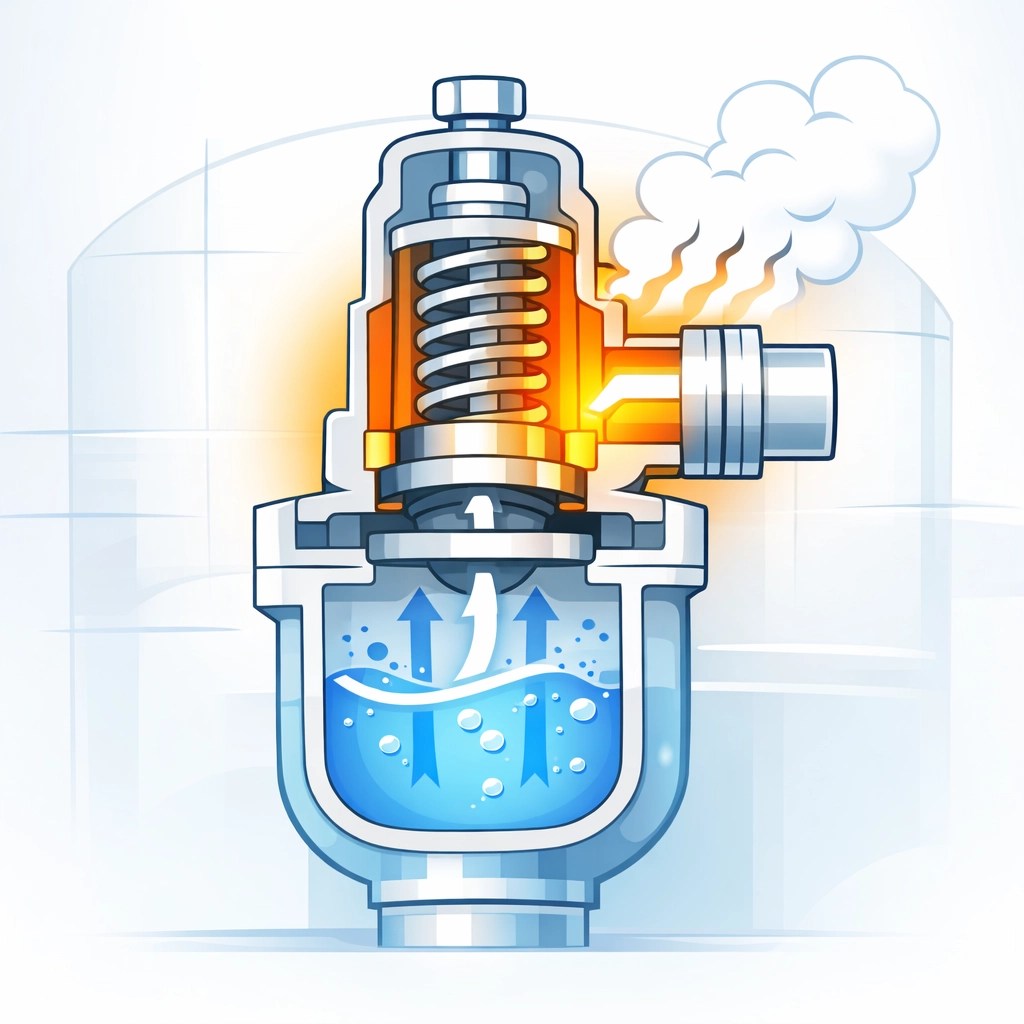
The temperature and pressure relief (TPR) valve is a critical safety feature that prevents tank explosions by releasing excess pressure. When sediment, corrosion, or mineral buildup causes this valve to stick or fail, pressure can build to dangerous levels.
A leaking TPR valve often indicates excessive pressure or temperature in the tank: both signs of underlying problems. Ignoring these warnings can lead to catastrophic tank failure.
The Fix: Test your TPR valve twice yearly by lifting the lever to ensure water flows freely. If it drips constantly or doesn't release water when tested, replace it immediately. This is a $75-$150 repair that could prevent a disaster.
7. Corrosion From Poor Ventilation
Gas water heaters need proper ventilation to exhaust combustion gases. When venting systems deteriorate or become blocked, condensation forms inside the vent pipe and drips back onto the heater, causing external corrosion.
Property owners often overlook rust forming around the flue connection or on the tank top. By the time it's visible, significant damage has occurred.
The Fix: Inspect vent pipes annually for rust, gaps, or deterioration. Ensure proper clearance around the unit for airflow. Replace damaged vent sections immediately and consider upgrading to power-vented systems for problematic installations.
8. Pilot Light Problems in Gas Units
Gas water heaters experiencing repeated pilot light outages signal underlying issues. While occasional outages after storms or power fluctuations are normal, frequent problems indicate thermocouple failure, gas supply issues, or drafting problems.
A failing thermocouple (the safety device that shuts off gas if the pilot goes out) typically costs $150-$200 to replace but prevents potential gas leaks and carbon monoxide hazards.
The Fix: If your pilot light won't stay lit after 2-3 attempts, call a professional. Don't repeatedly attempt to relight it: this could indicate a dangerous gas leak or venting problem.
9. Poor Installation Shortcuts
Not all installations are created equal. Shortcuts during initial installation: like improper venting, undersized electrical circuits, missing expansion tanks, or incorrect TPR valve installation: cause premature failures.
In multi-family properties, undersized units that can't meet demand run continuously, significantly reducing lifespan. Improperly configured electric panels trip breakers repeatedly, damaging heating elements.
The Fix: When replacing a unit, use licensed professionals who follow manufacturer specifications and local codes. Verify your unit size matches property demands. For large properties, consider tankless systems or multiple smaller units instead of one oversized tank.
10. Ignoring Warning Signs Until It's Too Late
Water heaters give clear signals before they fail completely: rusty water, strange popping or rumbling noises, leaks around the base, fluctuating temperatures, or rising energy bills. Property owners who ignore these warnings face emergency replacements, tenant complaints, and potential water damage.
By the time you see puddles around the tank, you're often looking at a full replacement rather than a repair.
The Fix: Investigate problems immediately. Rusty water or strange noises warrant immediate professional inspection. Document issues in your maintenance logs and address them proactively rather than reactively.
The Bottom Line for DFW Property Owners
Water heater longevity in Dallas-Fort Worth isn't just about buying quality equipment: it's about understanding our unique environmental challenges and implementing preventive maintenance strategies. Hard water, temperature extremes, and high mineral content make DFW particularly tough on water heating systems.
Smart property owners treat water heaters as managed assets requiring regular attention, not set-it-and-forget-it appliances. By addressing these 10 common issues proactively, you can extend equipment life by 40-50%, reduce emergency calls, keep tenants satisfied, and significantly lower your total ownership costs.
The difference between a water heater that fails at year 5 and one that lasts 12+ years often comes down to $200-$300 in annual maintenance. When you're managing multiple properties, that preventive approach translates to tens of thousands in avoided replacement costs over time.
If your water heaters aren't receiving annual professional service, you're essentially choosing to replace them more frequently. In the DFW market, that's an expensive choice.
Need help developing a water heater maintenance plan for your properties? Flash Property Services specializes in proactive maintenance strategies that extend equipment life and reduce total ownership costs. Contact us to schedule your property assessment.
Leave a Reply