

Let's be honest: getting that 3 AM call about a cold shower at one of your rental properties isn't fun. As a property manager in the Dallas-Fort Worth area, water heater issues are practically inevitable. But here's the real question that keeps you up at night: should you repair that aging unit or bite the bullet and replace it?
This decision isn't just about immediate costs. It's about protecting your investment, keeping tenants happy, and avoiding those emergency calls that always seem to happen at the worst possible time. Let's break down exactly when repair makes sense and when replacement is your smartest move.
The DFW Water Heater Challenge: Why Our Region is Different
Before we dive into repair versus replacement, you need to understand something crucial: water heaters in Dallas-Fort Worth don't last as long as they do in other parts of the country. It's not a manufacturing defect: it's our water.
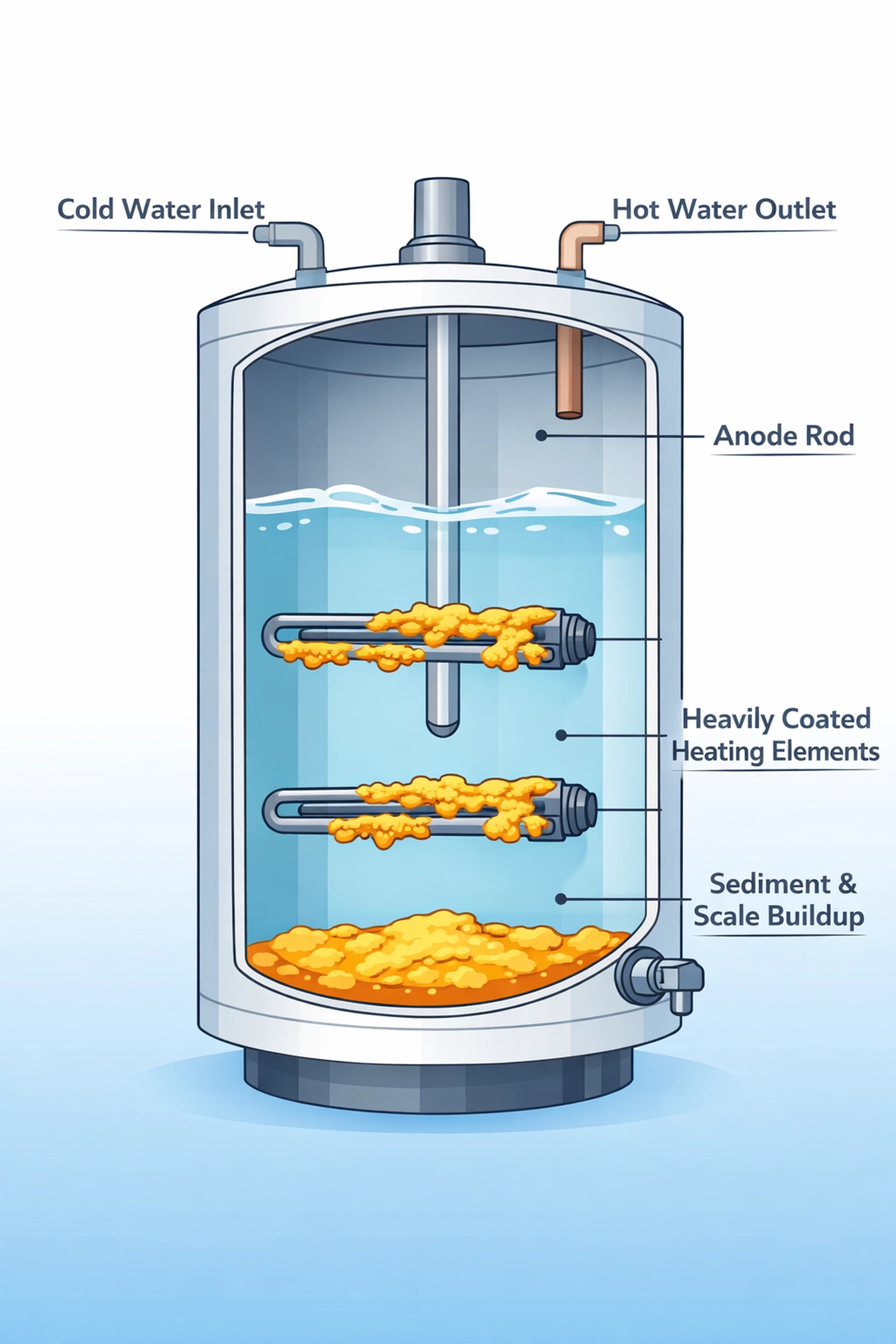
DFW has notoriously hard water, loaded with minerals like calcium and magnesium. These minerals accumulate inside your water heater tanks, creating scale buildup that accelerates corrosion and reduces efficiency. What might last 12-15 years in other regions often gives out at 8-10 years here.
This local factor changes the entire repair-versus-replace calculation. That national advice about water heater longevity? Take it with a grain of salt (or rather, a grain of calcium carbonate).
When Repair Makes Financial Sense
Not every water heater problem signals the end times. Many issues can be fixed economically, especially if caught early. Here's what you need to know about common repairs in our area.
Common Repairable Issues
The most frequent service calls in DFW involve:
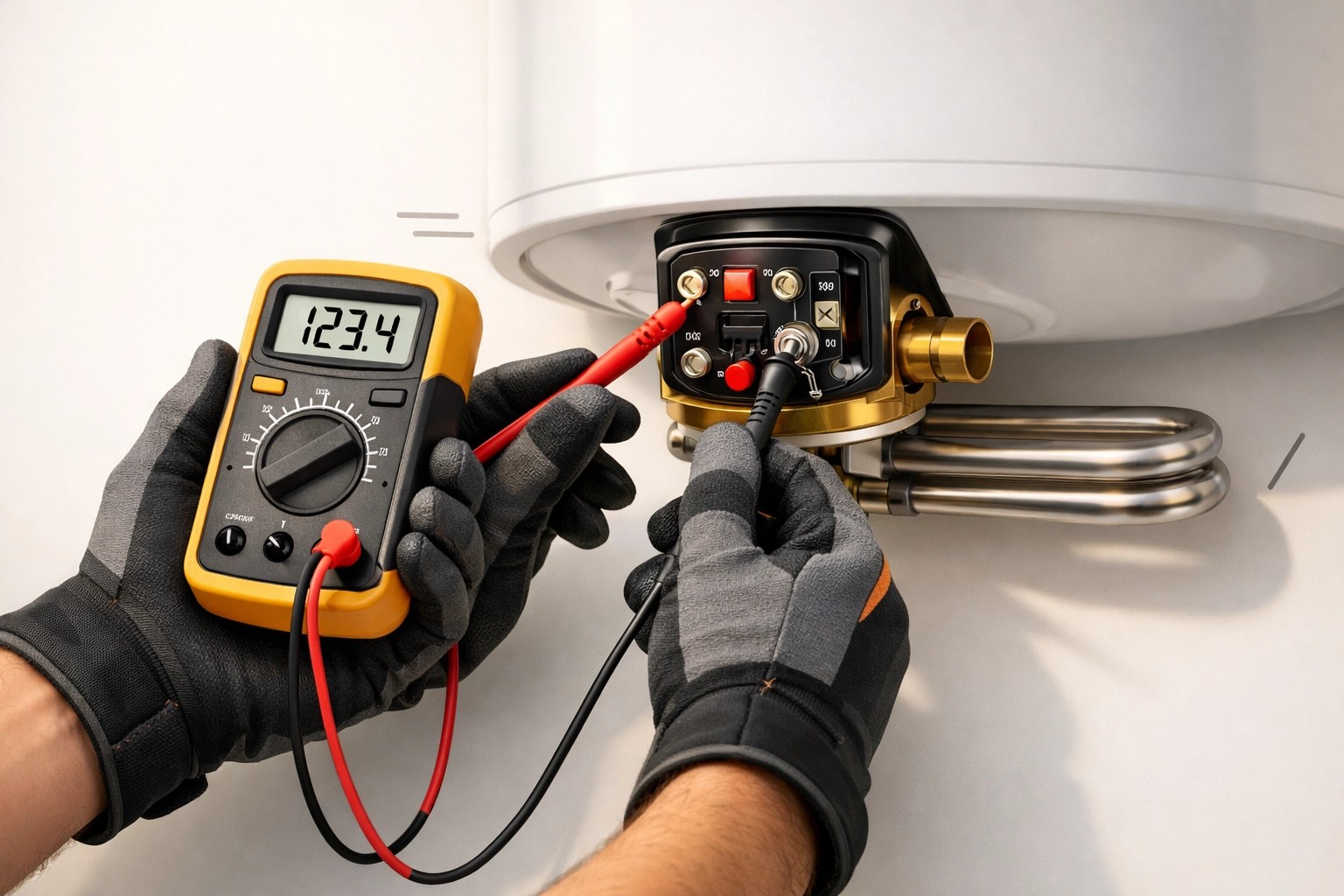
- Heating element failures (electric units): These are the workhorses that actually heat your water. They burn out over time, especially with hard water accelerating the process.
- Thermostat malfunctions: When water is too hot, too cold, or inconsistent, the thermostat is often the culprit.
- Temperature and pressure (T&P) valve issues: This safety component prevents dangerous pressure buildup but can fail or develop leaks.
- Anode rod deterioration: This sacrificial component protects your tank from corrosion, but once it's consumed, it needs replacement.
- Burner problems (gas units): Issues with the gas burner assembly can often be resolved without full replacement.
Repair Cost Reality Check
In the Dallas-Fort Worth market, you're looking at labor rates between $65 and $155 per hour, plus parts. Here's what specific repairs typically run:
- Tank flushing: $250-$350
- Heating element repair: $387-$451
- Heating element replacement: $638-$743
- Thermostat repair: $638-$743
- T&P valve repair: $228-$266
- Anode rod replacement: $505-$588
The average major repair bill in Tarrant County comes in around $550. That's your benchmark number.
The repair-makes-sense rule: If the unit is less than 6 years old, working reasonably well otherwise, and the repair costs less than one-third the price of replacement, repair is usually your best bet.
When Replacement is the Smart Move
Some problems can't: or shouldn't: be fixed with repairs. Here's when you need to start thinking replacement.
The Non-Negotiables
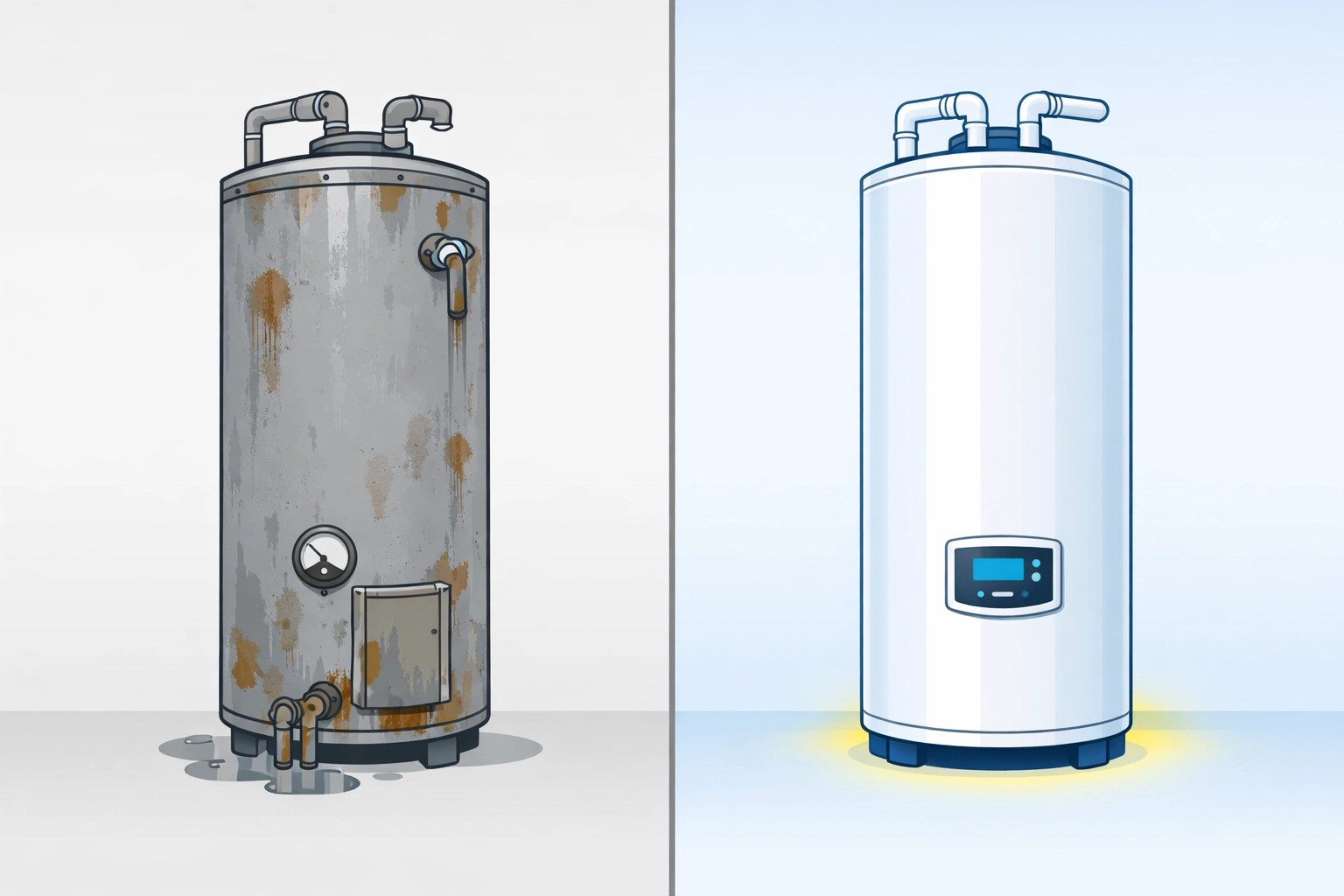
Tank leaks are the number one reason for water heater replacement in DFW, and for good reason: they can't be reliably repaired. If water is leaking from the tank itself (not from connections or valves), replacement is your only real option. By the time a tank develops a leak, the internal corrosion has progressed too far.
The Economic Tipping Point
Even without a catastrophic failure, replacement often makes better financial sense when:
- The unit is 8+ years old in our hard water environment. You're on borrowed time at this point.
- Repair costs exceed 50% of replacement costs. Why throw good money after bad?
- You're facing the second or third major repair. Multiple failures signal systemic deterioration.
- Energy bills have crept up noticeably. Efficiency loss costs you every month.
The Upgrade Opportunity
Sometimes replacement isn't just necessary: it's an opportunity. Modern water heaters offer significant advantages:
- 30-50% better energy efficiency than units from the early 2000s
- Tankless options that provide unlimited hot water and last 20+ years
- Smart features that alert you to problems before they become emergencies
- Higher first-hour ratings to meet increased demand
For rental properties, energy-efficient units can be a selling point that justifies slightly higher rent while actually reducing operating costs.
The Replacement Process: What to Expect
If you've decided replacement is the way to go, here's what you're getting into in the DFW area.
Costs and Timeline
Standard tank water heater replacement involves more than just the equipment. In Dallas, you'll need:
- The unit itself
- Professional installation labor (1-2 hours for standard tank systems)
- A drain pan
- Required city permit and inspection (approximately $300 additional in Dallas proper)
- Updated connections if code requirements have changed
Tankless installations take longer due to electrical work, water line modifications, and air vent installation requirements.
The Installation Steps
Professional installation isn't just about swapping one unit for another. The process includes:
- Draining the old unit completely
- Disconnecting power (electric) or gas lines and water connections
- Removing the old tank
- Positioning the new unit in a proper drain pan
- Connecting all utilities to code
- Testing for leaks and proper operation
- Scheduling required city inspection
Cutting corners on any of these steps can lead to code violations, voided warranties, or worse: property damage.
Making the Decision: Your Action Plan
Here's a practical framework for that 3 AM decision:
Immediate replacement indicators:
- Tank is leaking
- Unit is 10+ years old
- Multiple components failing
- Visible rust or corrosion on tank exterior
Consider repair if:
- Unit is less than 6 years old
- Single component failure
- Repair costs less than $600
- No history of repeated problems
Schedule assessment when:
- Water temperature is inconsistent
- Strange noises (rumbling, popping)
- Visible sediment in hot water
- Higher than normal energy bills
Protecting Your Investment
The best strategy isn't just reactive: it's preventative. Given DFW's hard water conditions, schedule professional tank flushing twice yearly. This single maintenance task can extend your water heater's life by years and help identify developing problems before they become emergencies.
Always ensure any work includes proper permits. In Texas, unpermitted work can create serious liability issues and complicate property sales down the line.
Partner with Local Experts
Water heater decisions shouldn't be made in isolation. Working with property maintenance professionals who understand DFW's unique challenges makes all the difference. They can assess your specific situation, provide accurate cost projections, and help you make the decision that protects both your property and your bottom line.
At Flash Property Services, we've helped hundreds of property managers navigate these exact decisions. We understand the local permit requirements, the impact of our hard water, and how to balance immediate costs against long-term value.
Need help assessing a water heater situation? Contact our team for a professional evaluation. We'll give you straight answers about whether repair or replacement makes sense for your specific property: no sales pitch, just honest expertise.
Because at the end of the day, making the right call on water heater repair versus replacement isn't just about saving money today. It's about protecting your investment, maintaining property value, and keeping those 3 AM phone calls to a minimum.
Leave a Reply