
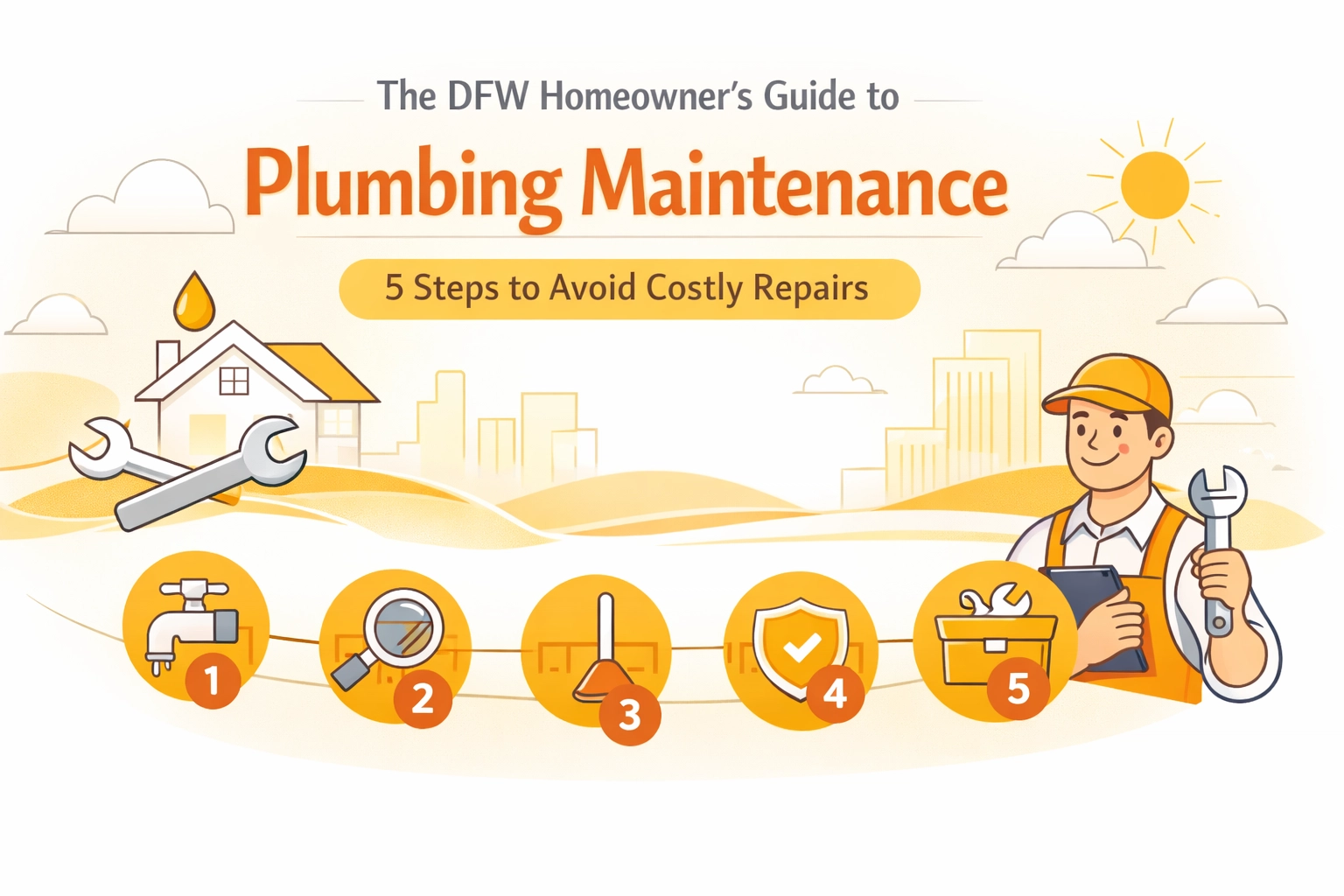
Living in the Dallas-Fort Worth metroplex comes with its perks: great food, thriving job market, and no state income tax. But it also comes with some unique challenges for your home's plumbing system. Between the notorious hard water, expansive clay soil, and those beautiful (but problematic) live oak trees, your pipes are working overtime.
The good news? A little preventative maintenance goes a long way. By following these five essential steps, you can protect your plumbing system, extend its lifespan, and avoid those wallet-draining emergency repairs that always seem to happen at the worst possible time.
Step 1: Conduct Regular Plumbing Inspections
Think of plumbing inspections like going to the dentist: nobody's excited about them, but they prevent much bigger problems down the road. For residential properties, you should inspect your plumbing system at least once a year.
What to look for during your inspection:
- Leaks under sinks, around toilets, and along exposed pipes in your garage or attic
- Signs of corrosion or rust on metal fixtures and pipes
- Water stains on ceilings or walls that indicate hidden leaks
- Mineral buildup around faucets and showerheads
- Weak water pressure that could signal deeper issues
Even slow drips can waste thousands of gallons of water annually and cause water damage to your home's structure. Catching these issues early means fixing a $50 washer instead of dealing with $5,000 in water damage restoration.
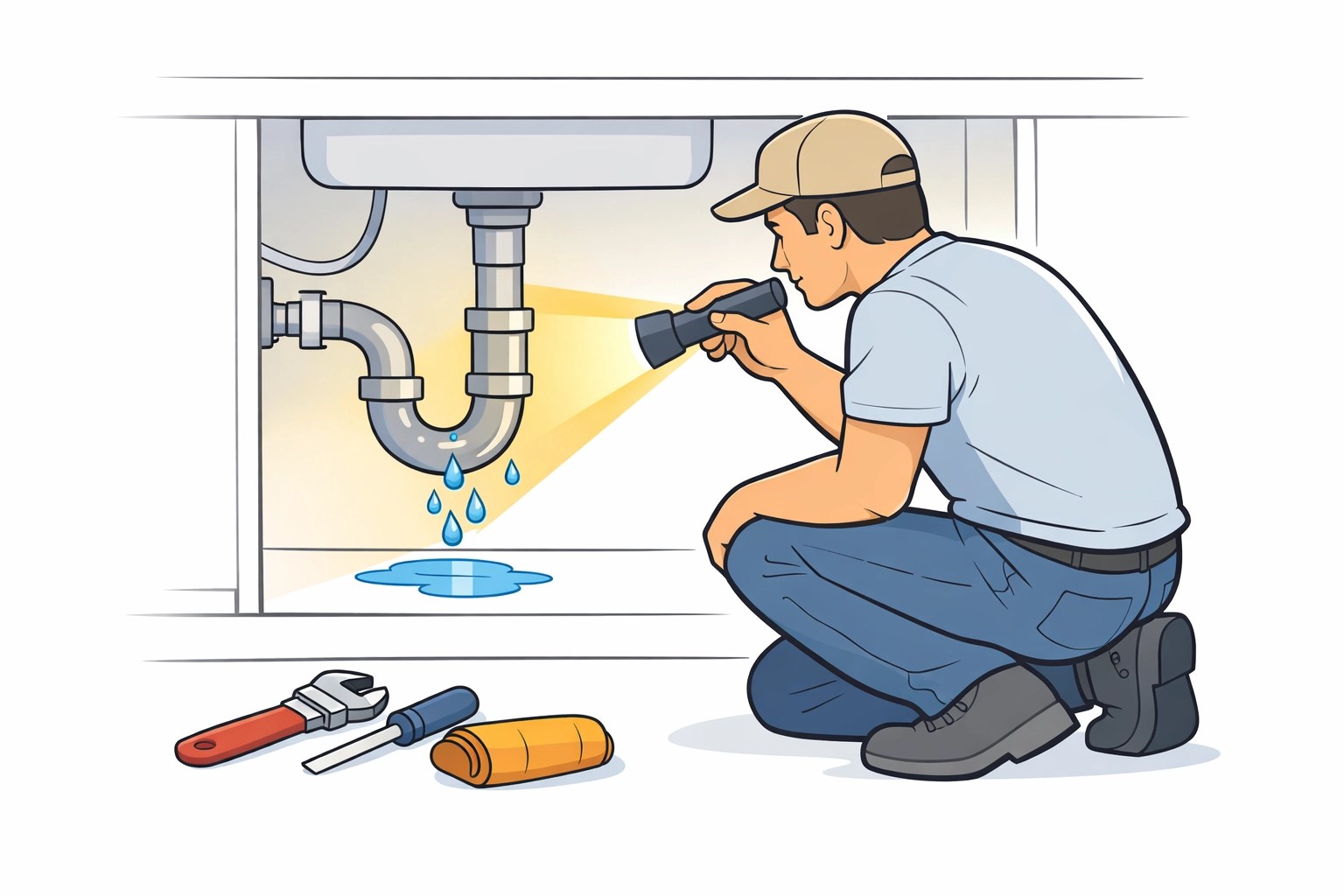
Professional inspections should go deeper, including water pressure tests, sewer line camera inspections, and checking your water heater for sediment buildup: something that's particularly common in our hard water region.
Step 2: Install a Water Softener to Combat Hard Water
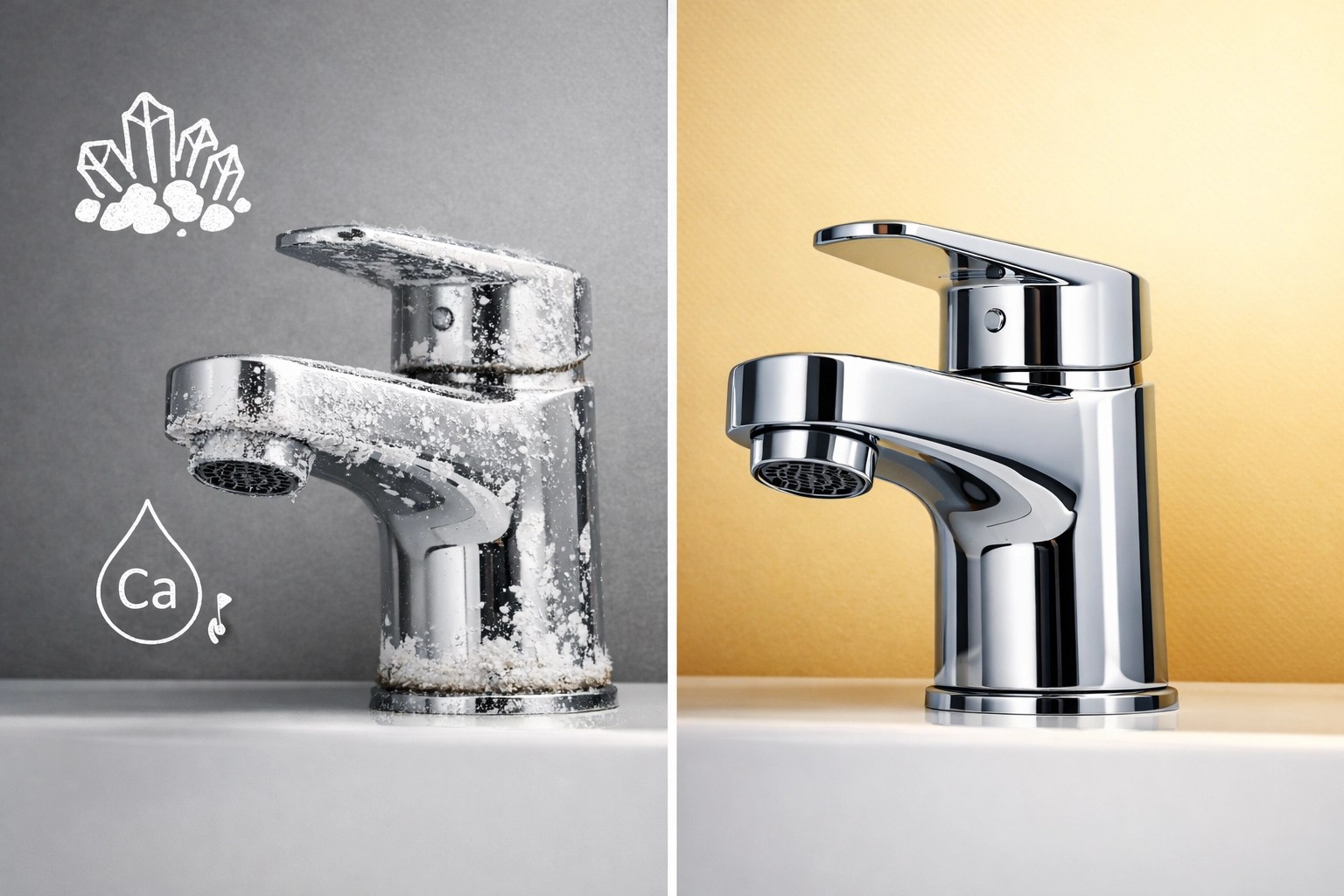
If you've lived in DFW for any length of time, you've probably noticed the white, crusty buildup on your faucets and showerheads. That's hard water doing its thing, and it's more than just an eyesore.
The Dallas-Fort Worth area has some of the hardest water in Texas, loaded with calcium and magnesium minerals. Over time, these minerals accumulate inside your pipes, reducing water flow and efficiency. In severe cases, mineral buildup can completely clog pipes, requiring expensive repairs or replacements.
Benefits of installing a water softener:
- Extends the life of your pipes, water heater, and appliances
- Reduces soap scum and improves cleaning effectiveness
- Prevents mineral buildup in fixtures and appliances
- Lowers energy costs by improving water heater efficiency
- Softer skin and hair (a nice bonus!)
While the upfront cost of a water softener system might seem steep, it pays for itself over time by preventing costly plumbing repairs and extending the life of your water-using appliances by years.
Step 3: Monitor and Control Water Usage
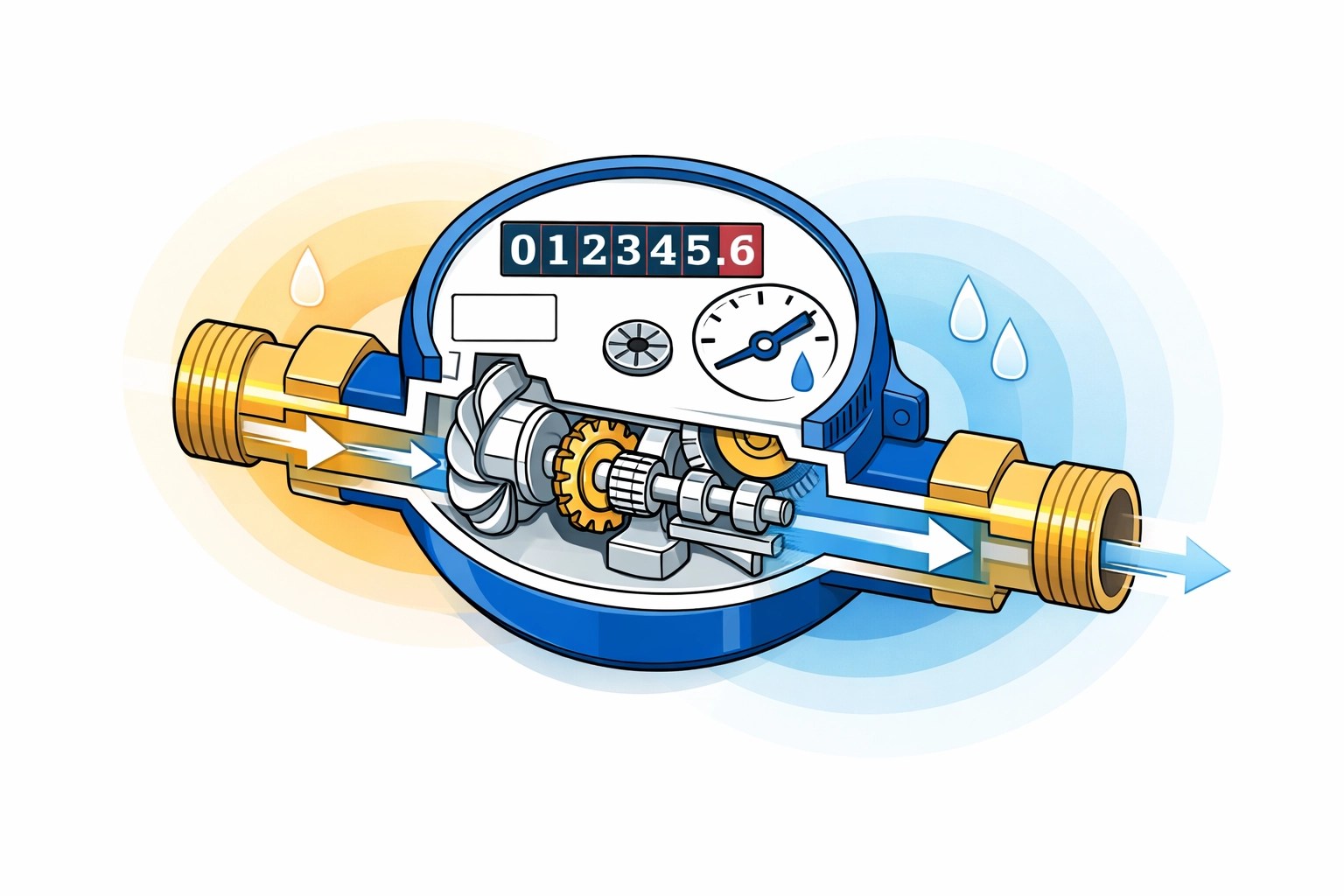
Your water bill can tell you a lot about the health of your plumbing system. A sudden spike without explanation often means you have a hidden leak somewhere in your home.
Smart water monitoring practices:
- Check your water meter before and after a 2-hour period when no water is being used. If the meter changes, you likely have a leak
- Inspect toilet flappers regularly: worn-out flappers can waste hundreds of gallons per day
- Test all faucets and showerheads for proper pressure
- Listen for running water sounds when all fixtures are off
- Monitor your water heater for unusual sounds or moisture around the base
Toilet leaks are particularly sneaky. A faulty flapper valve can silently waste 200 gallons per day without you noticing. Add a few drops of food coloring to your toilet tank and wait 15 minutes. If color appears in the bowl without flushing, you've got a leak.
Step 4: Maintain Your Sewer Lines
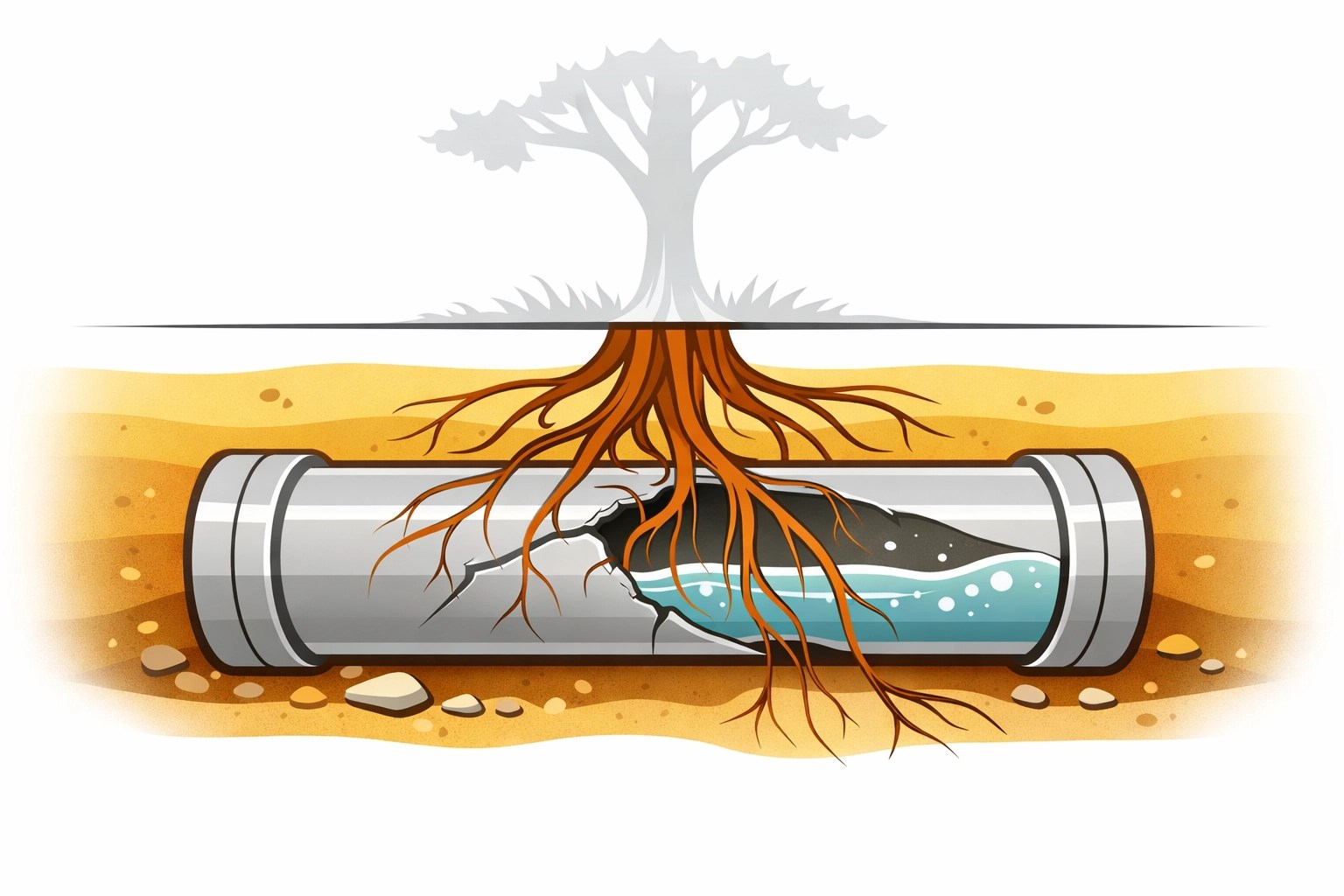
Out of sight, out of mind: until something goes wrong. Your sewer line is one of the most critical (and expensive) components of your plumbing system, especially here in DFW where clay soil and tree roots create the perfect storm for problems.
Dallas sits on expansive clay soil that swells when wet and contracts when dry. This constant movement puts stress on underground pipes, causing cracks and breaks. Add in our beautiful live oak trees with aggressive root systems actively seeking water sources, and you've got a recipe for sewer line disasters.
Professional sewer line maintenance schedule:
- Have your sewer line professionally cleaned every 18-24 months
- Schedule a camera inspection every few years, especially if your home is over 20 years old
- Clear tree roots before they cause blockages
- Address slow drains immediately before they become complete clogs
Regular sewer line cleaning prevents small issues from becoming major emergencies. A routine cleaning costs a few hundred dollars, while replacing a collapsed sewer line can run $5,000 to $20,000 or more.
Step 5: Trim Tree Roots and Practice Smart Drain Care
Those majestic oak trees in your yard aren't just providing shade: their roots are on a constant search for water, and your sewer line looks like an all-you-can-drink buffet.
Preventing root damage:
- Keep trees at least 10 feet away from sewer lines when landscaping
- Remove trees with aggressive root systems located near your main sewer line
- Schedule regular root barrier installations for established trees
- Have roots professionally cut if they've already invaded your pipes
Daily drain care habits:
- Use baking soda and vinegar monthly as a natural drain cleaner
- Never pour grease, oil, or fat down your drains
- Install drain screens to catch hair and debris
- Use a plunger or drain snake for minor clogs instead of chemical cleaners
- Avoid flushing anything besides toilet paper and human waste
Chemical drain cleaners might seem like a quick fix, but they can actually damage your pipes over time, especially older metal pipes. The harsh chemicals eat away at pipe material, leading to leaks and failures.
Bonus Tips: Winterizing and Fixture Upgrades
While DFW doesn't face harsh winters like our northern neighbors, we do get occasional hard freezes that can wreak havoc on unprepared plumbing systems.
Winter preparation checklist:
- Disconnect and drain outdoor hoses
- Insulate exposed pipes in attics, garages, and crawl spaces
- Know where your main water shutoff valve is located
- Let faucets drip slightly during hard freezes
- Open cabinet doors under sinks to allow warm air circulation
Smart fixture upgrades:
Upgrading old fixtures isn't just about aesthetics: modern plumbing fixtures can significantly reduce water usage and prevent future problems. Low-flow toilets, touchless faucets, and modern shower valves use less water while providing better performance. Plus, many water utility companies offer rebates for water-efficient upgrades.
When to Call a Professional
While DIY maintenance is important, some situations require professional expertise. Contact a licensed plumber for:
- Any major repairs or replacements
- Water heater installations or major servicing
- Sewer system repairs or inspections
- Gas line work
- Repiping projects
- Annual comprehensive system assessments
In a plumbing emergency, immediately shut off your main water supply and contact a professional service. Water damage escalates quickly, and every minute counts.
Protect Your Investment
Your home is likely your biggest investment, and your plumbing system is one of its most critical components. By following these five maintenance steps: regular inspections, addressing hard water, monitoring usage, maintaining sewer lines, and practicing good drain care: you'll avoid costly emergency repairs and extend the life of your entire plumbing system.
Remember, preventative maintenance is always cheaper than emergency repairs. A little attention now saves thousands later.
Need help with your plumbing maintenance? Flash Property Services provides comprehensive property maintenance solutions throughout the DFW metroplex. Our team understands the unique challenges of maintaining homes in our area and can help keep your plumbing system running smoothly year-round. Contact us today to schedule your plumbing inspection.
Leave a Reply