

Let's be real. As a DFW landlord, your water heater probably isn't something you think about until it stops working. And when it does? You've got an angry tenant, an emergency repair bill, and possibly a flooded utility closet on your hands.
Water heaters are the unsung workhorses of rental properties. They quietly do their job day after day: until they don't. The good news is that most water heater disasters are completely preventable. The bad news? Most landlords learn this lesson the expensive way.
Whether you manage one rental home in Arlington or a portfolio across the Metroplex, these seven mistakes could be costing you thousands of dollars and damaging your reputation with tenants. Let's break them down and talk about how to fix them before they become your next headache.
Mistake #1: Delaying Repairs Beyond Legal Timeframes
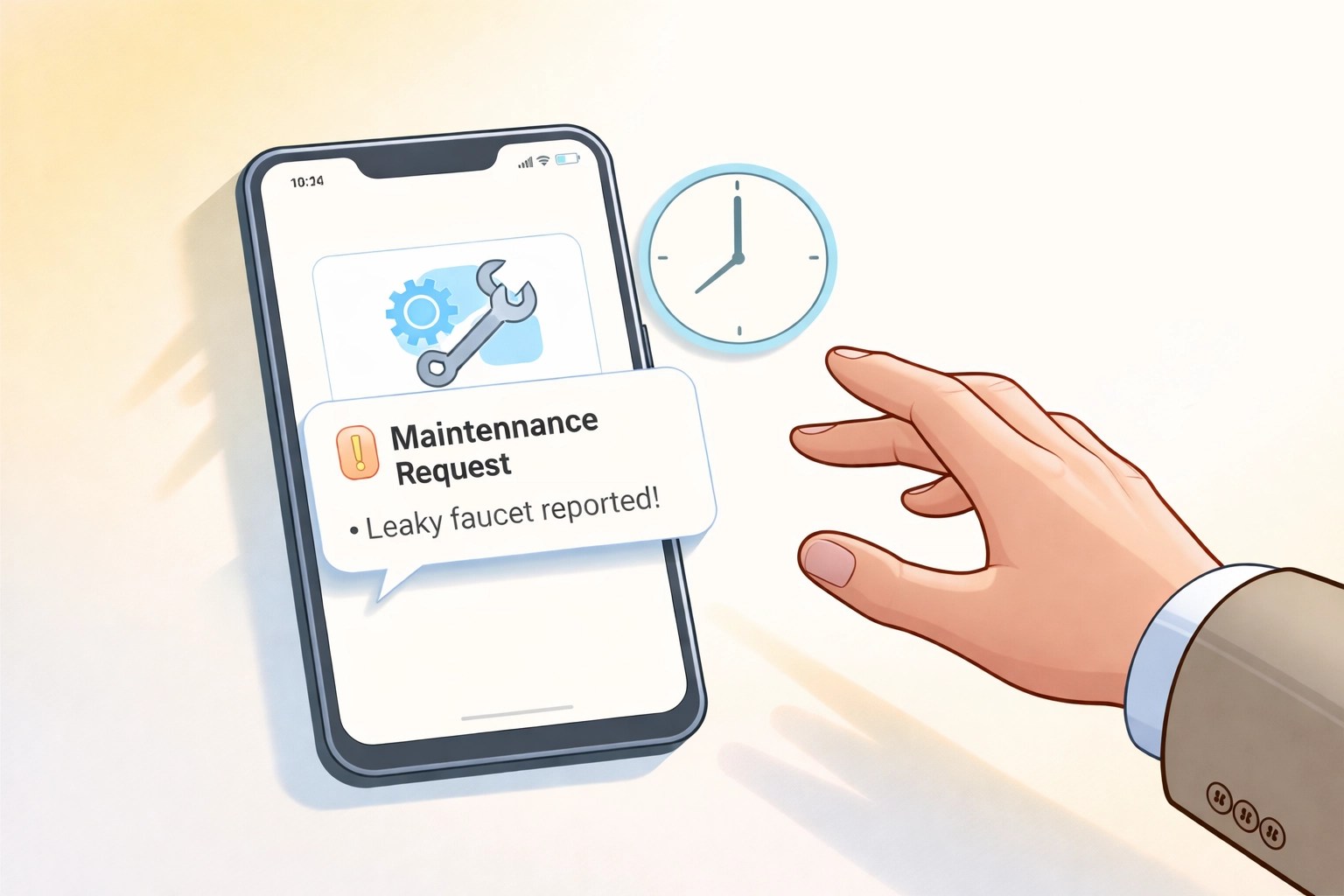
Here's something that catches a lot of DFW landlords off guard: Texas law requires you to address serious issues affecting hot water within three to seven days of receiving written notice from your tenant.
That's not a suggestion. That's the law.
If you drag your feet, your tenant has the legal right to use what's called the "repair and deduct" remedy. They can hire a licensed professional themselves and deduct the cost directly from their rent. Suddenly, that repair you were putting off until next week just got a whole lot more expensive: and you lost control of who did the work.
The fix: Set up a system to respond to maintenance requests within 24 hours. Even if you can't get a technician out immediately, acknowledging the request and providing a timeline keeps you compliant and keeps your tenant happy.
Mistake #2: Skipping Water Heater Inspections Before Move-In
You've got a new tenant moving in next week. The previous tenant never complained about the hot water, so it must be fine, right?
Not necessarily.
Water heaters can be on their last legs without showing obvious signs of failure. That "fine" unit could give out two weeks into your new tenant's lease, leaving you scrambling for an emergency replacement and dealing with a frustrated renter who just moved in.
The fix: Before every tenant move-in, test the water heater to ensure it's functioning correctly and providing adequately heated water. Check the manufacturing date on the unit. If it's approaching the 8-12 year mark for tank-style heaters, seriously consider a proactive replacement. It's almost always cheaper to replace on your schedule than to deal with an emergency failure.
Mistake #3: Neglecting Preventative Maintenance
Most landlords operate in reactive mode. Something breaks, you fix it. Rinse and repeat.
The problem with this approach? Water heaters give plenty of warning signs before they fail completely. If you're only paying attention when things go wrong, you're missing opportunities to catch small problems before they become expensive emergencies.
Here's what you need to know about water heater lifespans in the DFW area:
- Gas and electric tank-style heaters: 8-12 years
- Tankless units: 15-20 years
Our North Texas water is notoriously hard, which can accelerate sediment buildup and reduce efficiency. Annual maintenance isn't just a nice-to-have: it's essential for getting the full lifespan out of your equipment.
The fix: Schedule annual water heater inspections for all your rental properties. During these inspections, check for rust, pooling water at the base, and signs of corrosion. Flush the tank to remove sediment buildup. Keep records of all maintenance so you can track each unit's condition over time.

Mistake #4: Failing to Educate Tenants on Water Shut-Off Procedures
Picture this: Your tenant wakes up at 2 AM to find water pouring from their water heater. They panic, call you in a frenzy, and by the time anyone figures out how to stop the flow, there's an inch of water across the floor.
Sound dramatic? It happens more often than you'd think.
Many tenants have no idea where the water shut-off valve is located: or even that it exists. In an emergency, those few minutes of confusion can mean the difference between minor water damage and a major restoration project.
The fix: During every move-in walkthrough, physically show your tenant where the main water shut-off valve is located. Don't just tell them: walk them over to it and demonstrate how it works. Label it clearly so they can find it in a panic. This simple step can save you thousands in water damage repairs.
Mistake #5: Responding Slowly to Water Damage
Dallas-Fort Worth's humid climate creates the perfect conditions for mold growth. When water damage occurs, you're working against the clock. Mold can begin developing within 24 to 48 hours of water exposure.
That small leak from your water heater that seemed like no big deal? If you wait until next week to deal with it, you might be looking at a full mold remediation project instead of a simple repair.
We've seen situations where a $150 repair turned into a $5,000 nightmare simply because the landlord didn't act fast enough.
The fix: Treat any water heater leak as an urgent situation. Even if the leak seems minor, get eyes on it within 24 hours. Dry out affected areas immediately and thoroughly. Document everything with photos and timestamps. Your quick response protects both your property and your tenant's health.

Mistake #6: Falling for Contractor Fraud Schemes
When you're dealing with an emergency water heater replacement, you're vulnerable. You need the problem fixed fast, and some contractors know how to take advantage of that urgency.
One major red flag? Any contractor who offers to "take care of your deductible" if you're filing an insurance claim. This might sound helpful, but it's often a sign of fraud. These contractors typically inflate their pricing, use cheaper materials, or submit falsified invoices to your insurance company. If you're involved in this kind of scheme: even unknowingly: you could face serious legal consequences.
The fix: Always work with licensed, reputable professionals. Get multiple quotes when possible, even for urgent repairs. Keep detailed receipts for any deductible payments you make. Ask for references and check online reviews before hiring anyone new. Building relationships with trusted local contractors before emergencies happen puts you in a much better position when something goes wrong.
Mistake #7: Ignoring Water Heater Warning Signs
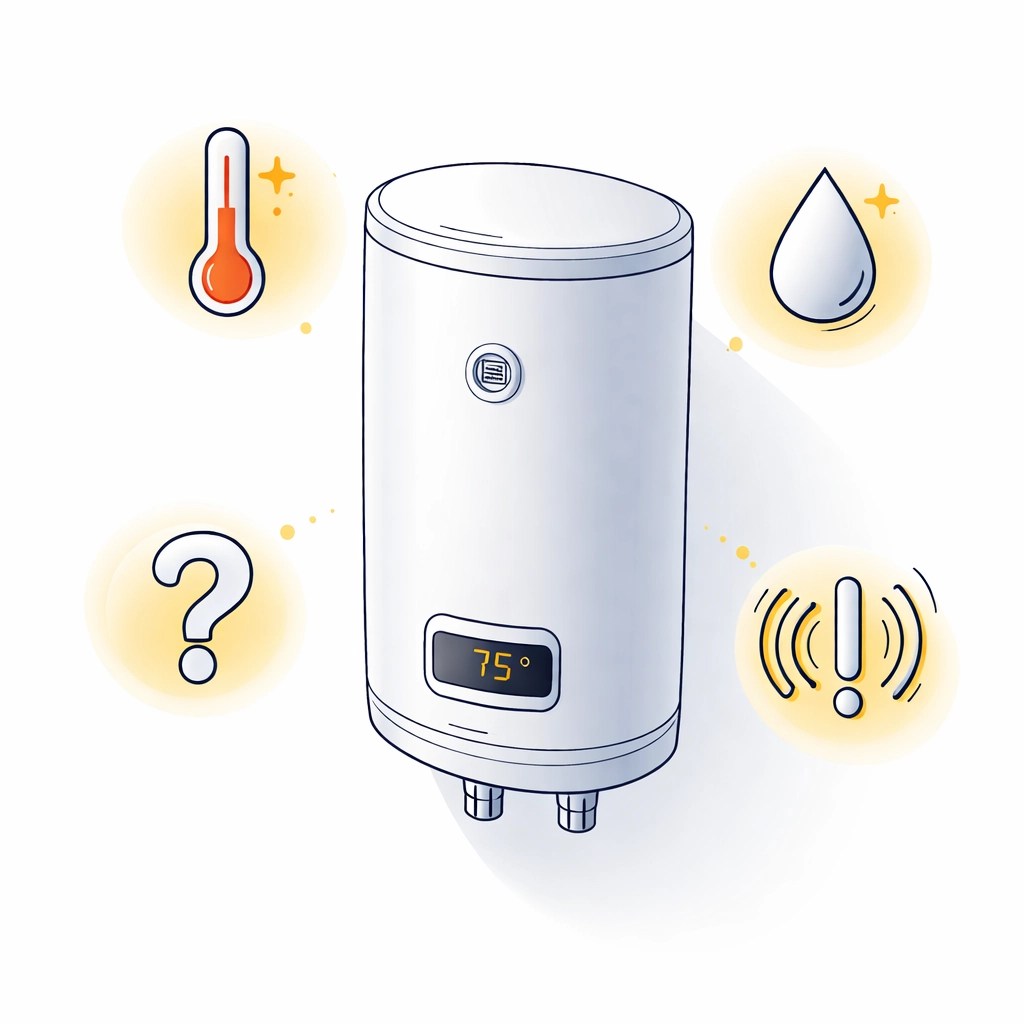
Your water heater rarely fails without warning. It usually drops plenty of hints that something's wrong: if you know what to look for.
Common warning signs include:
- No hot water (obviously)
- Water leaking from the tank
- Rusty or discolored water coming from hot water taps
- Loud popping or rumbling noises from the tank
- Inconsistent water temperature
- Higher than normal energy bills
Each of these symptoms points to specific problems that can often be repaired if caught early. Ignore them, and you're likely looking at a complete unit failure at the worst possible time.
The fix: Educate yourself (and your property managers) on these warning signs. Include water heater checks as part of your routine property inspections. When tenants report any of these symptoms, take them seriously and schedule an inspection promptly.
Protecting Your Investment
Water heater maintenance might not be the most exciting part of being a DFW landlord, but it's one of the most important. A proactive approach saves money, keeps tenants happy, and protects your properties from expensive water damage.
Here's a quick action plan to get you started:
- Create a maintenance calendar with annual water heater inspections for each property
- Document the age and condition of every water heater in your portfolio
- Build relationships with licensed, trustworthy plumbing professionals
- Update your move-in procedures to include water shut-off education
- Set up a system to respond to maintenance requests within 24 hours
Need help staying on top of water heater maintenance across your DFW rental properties? Flash Property Services works with landlords throughout the Metroplex to keep their properties running smoothly. Get in touch to learn how we can help protect your investment.
Leave a Reply