

Living in the Dallas-Fort Worth area comes with its perks: great food, friendly neighbors, and that unmistakable Texas charm. But it also comes with some unique challenges for your home's plumbing system. Between our notoriously hard water, unpredictable winter freezes, and the everyday wear and tear of busy households, DFW plumbing takes a beating.
The good news? Most plumbing disasters are completely preventable. The bad news? Too many homeowners make the same mistakes over and over again: often without realizing it until they're ankle-deep in water or staring at a four-figure repair bill.
Let's walk through the seven most common plumbing mistakes we see from DFW homeowners and, more importantly, how you can avoid them.
Mistake #1: Treating Your Toilet Like a Trash Can
We get it. The toilet seems like a convenient disposal system. But here's the reality: your toilet was designed to handle exactly two things: human waste and toilet paper. That's it.
Every week, we see backups and clogs caused by items that have no business going down the drain. The usual suspects include:
- Baby wipes (yes, even the "flushable" ones)
- Feminine hygiene products
- Cotton balls and swabs
- Paper towels
- Dental floss
- Kids' toys (you'd be surprised)
These items don't break down like toilet paper. They accumulate in your pipes, create stubborn blockages, and can eventually cause sewage backups that damage your floors, walls, and belongings.
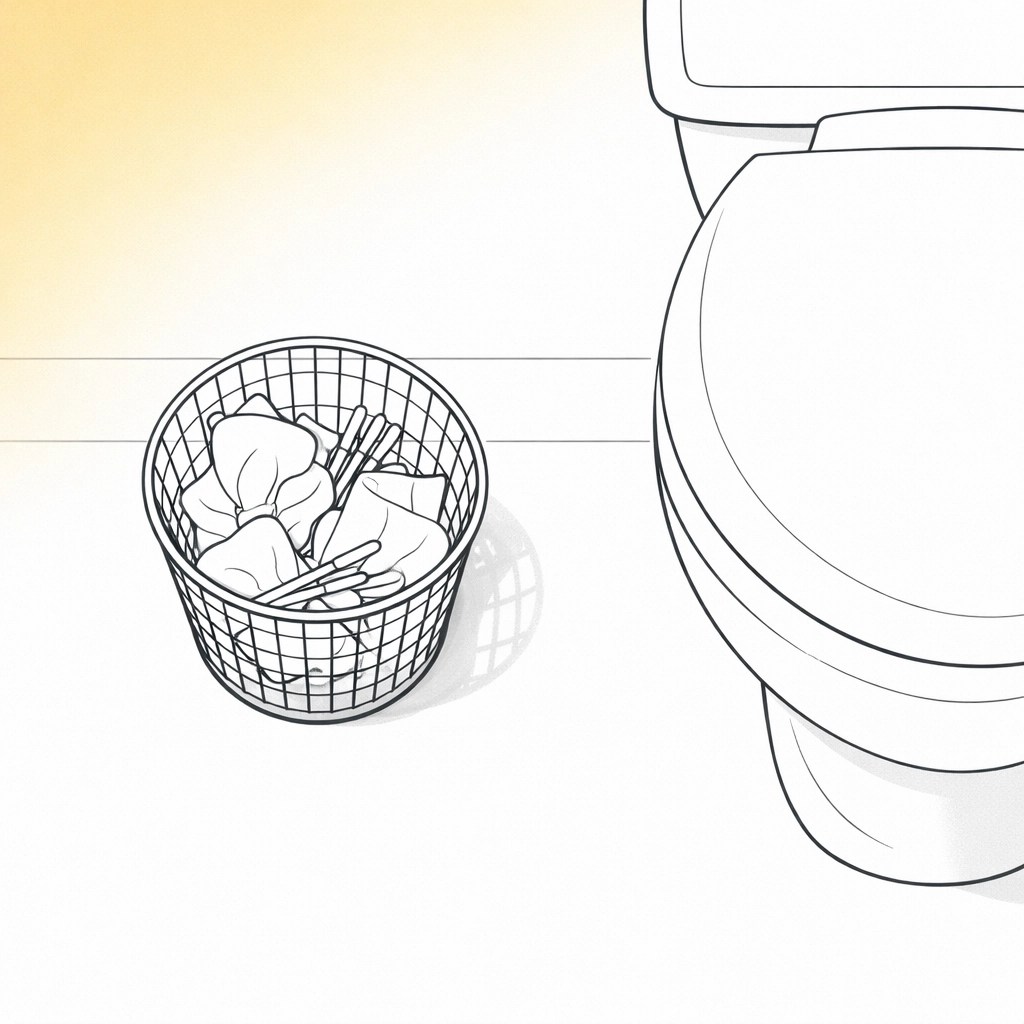
The Fix: Keep a small trash can next to every toilet in your home. Make it easy for family members and guests to dispose of items properly. If you have young kids, keep bathroom doors closed or supervise them to prevent curious "experiments" with the plumbing.
Mistake #2: Over-Tightening Fittings and Connections
This one catches a lot of DIY enthusiasts off guard. When you're tightening a faucet supply tube, toilet bolt, or pipe fitting, the instinct is to crank it down as hard as possible. After all, tighter means more secure, right?
Not exactly.
Over-tightening can crack fittings, strip threads, and cause plastic components to split. The worst part? The damage might not show up immediately. You could have a fitting that looks fine today but develops a slow leak over the next few weeks: eventually turning into a major flood.
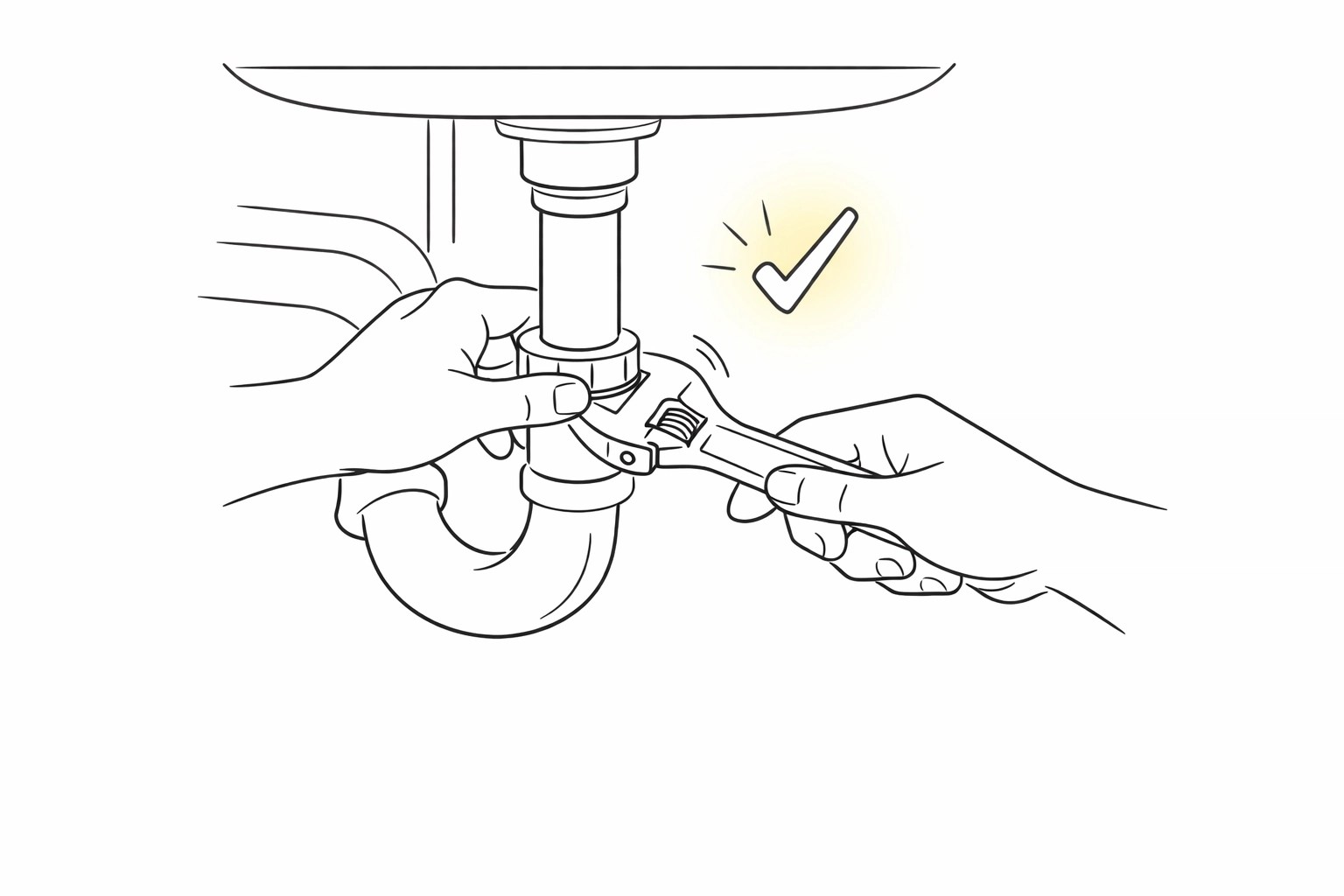
The Fix: Tighten fittings until they're snug, then stop. If you're working with plastic fittings, be especially gentle. And here's a pro tip: check your connections periodically. Both over-tightening and under-tightening can cause problems, so finding that sweet spot matters.
Mistake #3: Forgetting to Turn Off the Water Before Repairs
This might sound obvious, but you'd be amazed how often it happens. Someone decides to swap out a faucet or fix a leaky valve, forgets to shut off the water supply, and suddenly their kitchen looks like a swimming pool.
Water damage is no joke. It can warp hardwood floors, destroy drywall, promote mold growth, and ruin furniture and electronics. And it can happen in minutes.
The Fix: Before you touch any plumbing fixture, locate the shut-off valve and turn it off. Most sinks and toilets have individual shut-off valves nearby. If you can't find one: or if it's stuck: shut off the main water supply to your home. Take the extra minute. Your floors will thank you.
Mistake #4: Relying on Chemical Drain Cleaners
When a drain starts running slow, it's tempting to reach for that bottle of drain cleaner under the sink. It's quick, it's easy, and it usually works: at least temporarily.
But those chemical drain cleaners come with a hidden cost. The harsh chemicals that dissolve clogs also eat away at your pipes. Over time, they corrode metal traps, damage pipe walls, and can even destroy PVC pipes. What starts as a $10 fix can turn into a $1,000 pipe replacement.
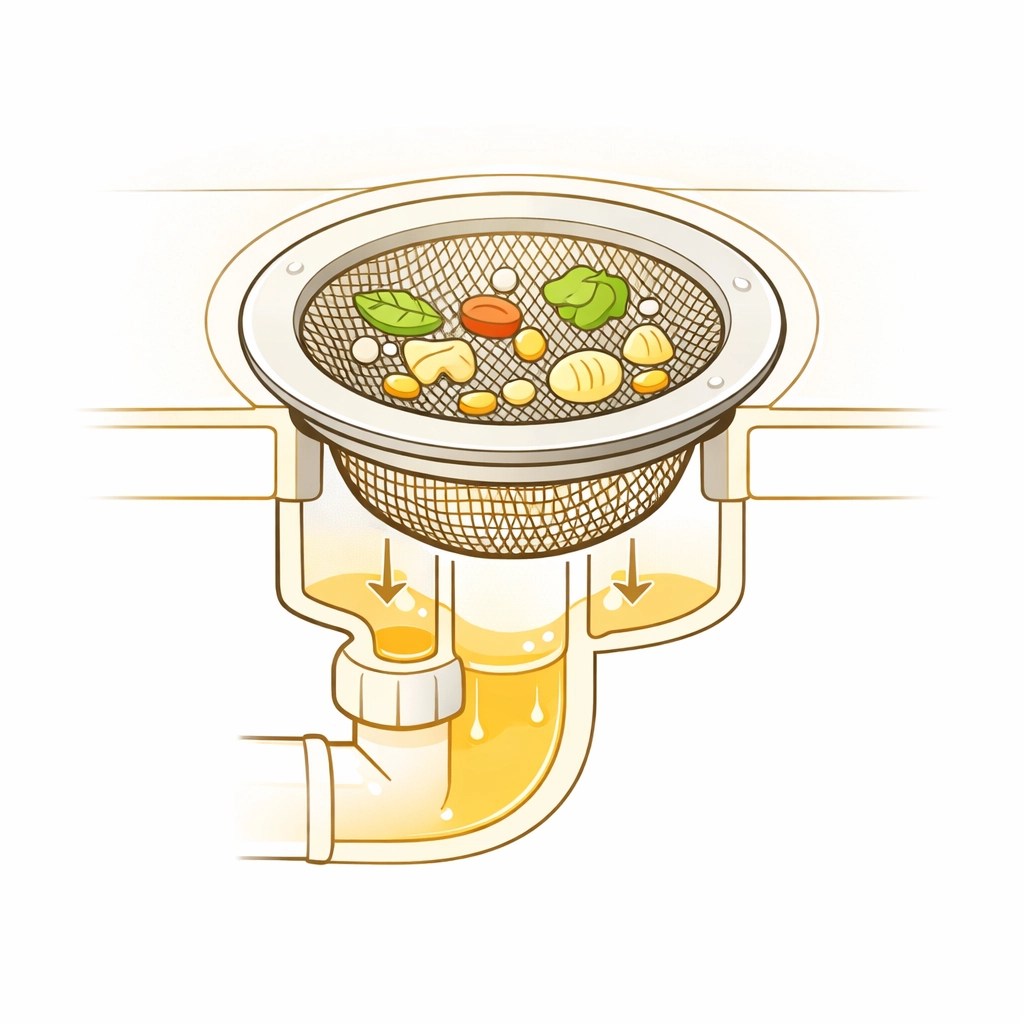
The Fix: Prevention is your best friend here. Use drain strainers in your showers and tubs to catch hair before it goes down the drain. Avoid pouring grease or cooking oil down your kitchen sink. Run hot water through your drains occasionally to help prevent buildup.
For minor clogs, try a plunger or a drain snake first. If you're dealing with a stubborn blockage that won't budge, it's time to call in a professional. We have the tools and expertise to clear your drains without damaging your pipes.
Mistake #5: Ignoring What Goes Down Your Kitchen Drain
Your garbage disposal is a workhorse, but it's not invincible. One of the biggest culprits behind kitchen drain clogs? Grease.
When you pour cooking oil, bacon grease, or fatty liquids down the drain, they might flow easily while hot. But as they cool, they solidify and stick to the inside of your pipes. Add in soap residue, food particles, and other debris, and you've got a recipe for a serious clog.
The Fix: Never pour grease or oil down your drain. Instead, let it cool and dispose of it in the trash. Scrape plates into the garbage before rinsing them in the sink. And be mindful of what you put in your garbage disposal: fibrous foods like celery, potato peels, and coffee grounds can cause problems too.
Running hot water through your kitchen drain for 30 seconds after washing dishes can help flush away any lingering residue before it has a chance to build up.
Mistake #6: Ignoring Hard Water Problems
If you've lived in DFW for any length of time, you know about our hard water. The mineral content in our water supply is among the highest in Texas, and those minerals: primarily calcium and magnesium: wreak havoc on your plumbing over time.
Mineral deposits accumulate inside your pipes, gradually narrowing them and restricting water flow. You might notice reduced water pressure, spots on your dishes, or buildup around faucets and showerheads. In older homes with steel or iron pipes, the problem is even worse because those materials are especially susceptible to corrosion.
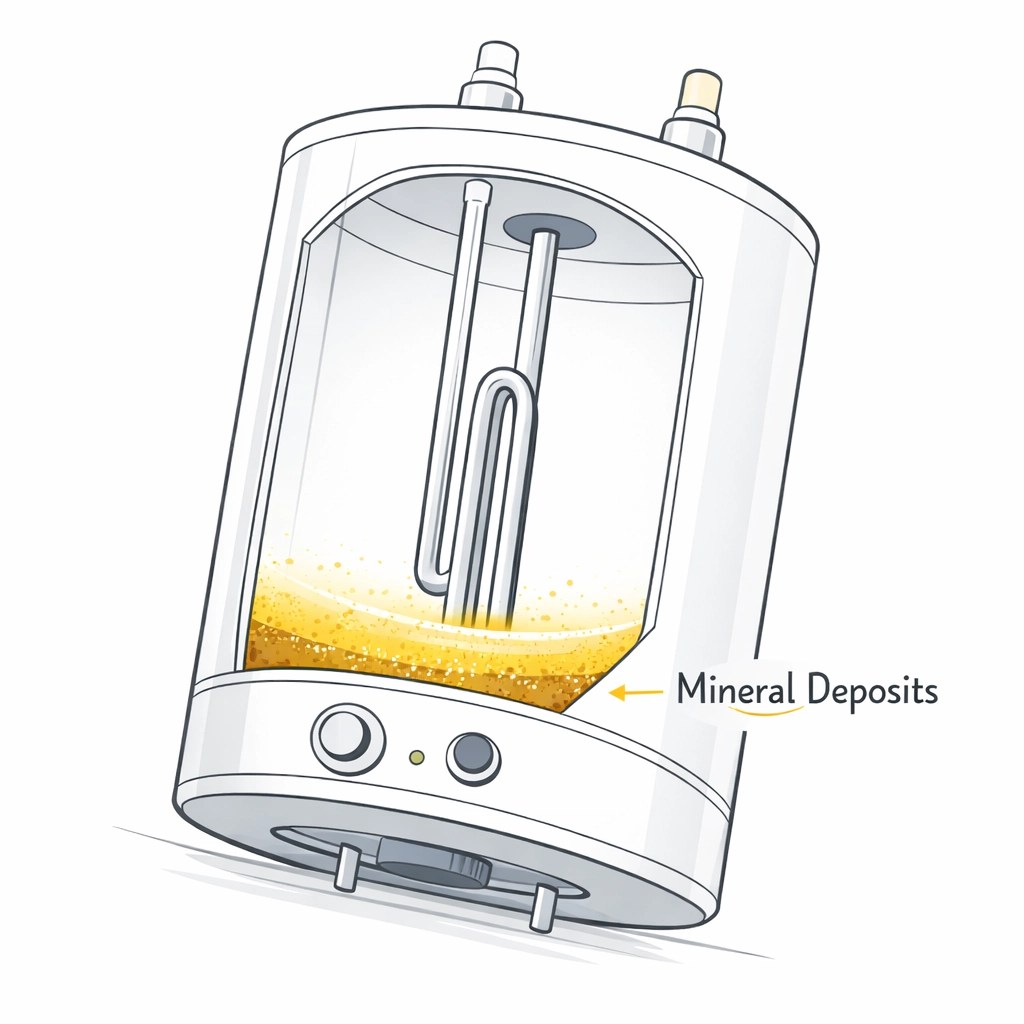
Your water heater takes a hit too. Sediment builds up at the bottom of the tank, reducing efficiency and shortening the unit's lifespan.
The Fix: Schedule a water heater flush at least once a year to remove sediment buildup. This simple maintenance task can extend the life of your water heater and keep it running efficiently.
For a more comprehensive solution, consider installing a water softener. It removes minerals before they enter your plumbing system, protecting your pipes, fixtures, and appliances. If you're noticing significant water pressure issues throughout your home, it might be time for a professional inspection to assess whether repiping is necessary.
Check out our services page to learn more about water heater maintenance and other plumbing solutions we offer.
Mistake #7: Putting Off Small Repairs
That dripping faucet might seem like a minor annoyance. The toilet that runs a little long after flushing? No big deal. The slow drain in the bathroom? You'll get to it eventually.
Here's the problem: small plumbing issues rarely stay small. That dripping faucet wastes gallons of water every day and can stain your fixtures. The running toilet is quietly adding dollars to your water bill every month. And that slow drain? It's only going to get slower until it stops draining altogether.
Worse, small leaks can cause hidden water damage behind walls and under floors. By the time you notice the problem, you're dealing with mold, rot, and structural damage.
The Fix: Address plumbing issues as soon as you notice them. A repair that costs $100 today could save you $1,000 or more down the road. And consider scheduling an annual plumbing inspection to catch problems before they become emergencies.
Bonus Tip: Winterize Your Plumbing
DFW winters are usually mild, but we do get the occasional hard freeze: and when we do, burst pipes become a real concern. Exposed pipes in garages, attics, and exterior walls are especially vulnerable.
Before cold weather hits, disconnect and drain outdoor hoses. Insulate exposed pipes with foam sleeves. Know where your main water shut-off valve is located so you can act quickly if a pipe does burst. On particularly cold nights, let faucets drip slightly to keep water moving through the pipes.
Keep Your Plumbing Running Smoothly
Your plumbing system works hard every single day. A little preventive maintenance goes a long way toward avoiding expensive repairs and unexpected emergencies.
If you're dealing with any of these issues: or if you just want peace of mind knowing your plumbing is in good shape: we're here to help. At Flash Property Services, we provide professional plumbing maintenance, repairs, and inspections for homeowners throughout the DFW area.
Ready to get your plumbing checked out? Contact us today to schedule an appointment.
Leave a Reply